At a Glance
Container grades indicate structural condition and warranty eligibility, not cosmetic appearance. Wind and Watertight (WWT) units keep weather out, Cargo Worthy (CW) units meet shipping-grade structural criteria, and Premium / Multi-Trip units occupy the cleaner, younger tier between standard CW and One-Trip inventory. One-Trip containers are effectively new units with minimal wear.
Wind and Watertight (WWT)
Wind and Watertight
What WWT Means in Practice
WWT is a condition designation, not a certification. No third party inspects and stamps a container "WWT" the way a CSC surveyor certifies Cargo Worthy units. The dealer is representing that the container keeps weather out. The basis for that claim is typically a depot inspection before sale, but the inspection standard and documentation vary by dealer.
Doors on WWT units operate but may not seal to the tight tolerances required for shipping certification. Flooring is functional but typically shows significant wear from 15 or more years of cargo loading. Surface rust is common and expected. CARU Containers reports their WWT units average 12–14 years of service life at time of sale, and remain fully functional for storage purposes. [19]
The practical question is not whether a WWT container leaks, but whether the specific unit you are buying has been inspected recently and what the dealer's policy is if it does. Most WWT containers do not leak. The grade tells you the container is not held to shipping-grade standards, not that it is in poor condition.
WWT vs. Cargo Worthy: The Real Difference
The practical overlap between WWT and Cargo Worthy is real. Most containers that keep water out are also structurally sound. What the CW designation adds is a higher confidence level, a more recent inspection, and a clearer basis for recourse if something is wrong. The container itself is not fundamentally different. The difference is the standard it was held to and the documentation behind it.
The warranty line between WWT and CW is where this distinction has the most financial consequence. Most dealers draw a hard line: CW units carry a structural warranty, WWT units do not. That means a floor failure, a door seal failure, or a roof leak on a WWT unit is typically the buyer's problem. Read the warranty section before choosing between grades on price alone.
What WWT Looks Like
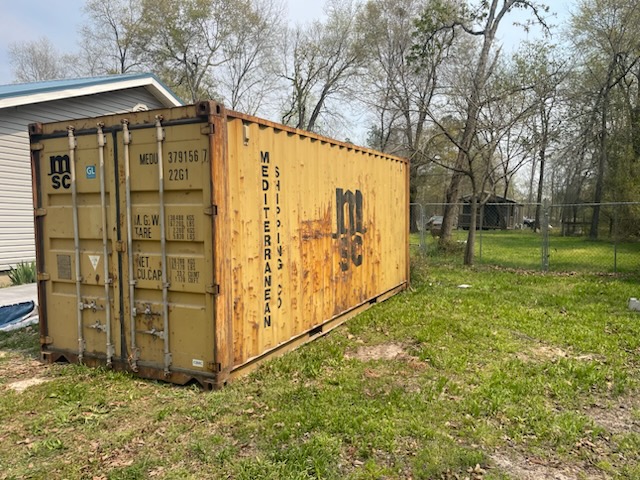
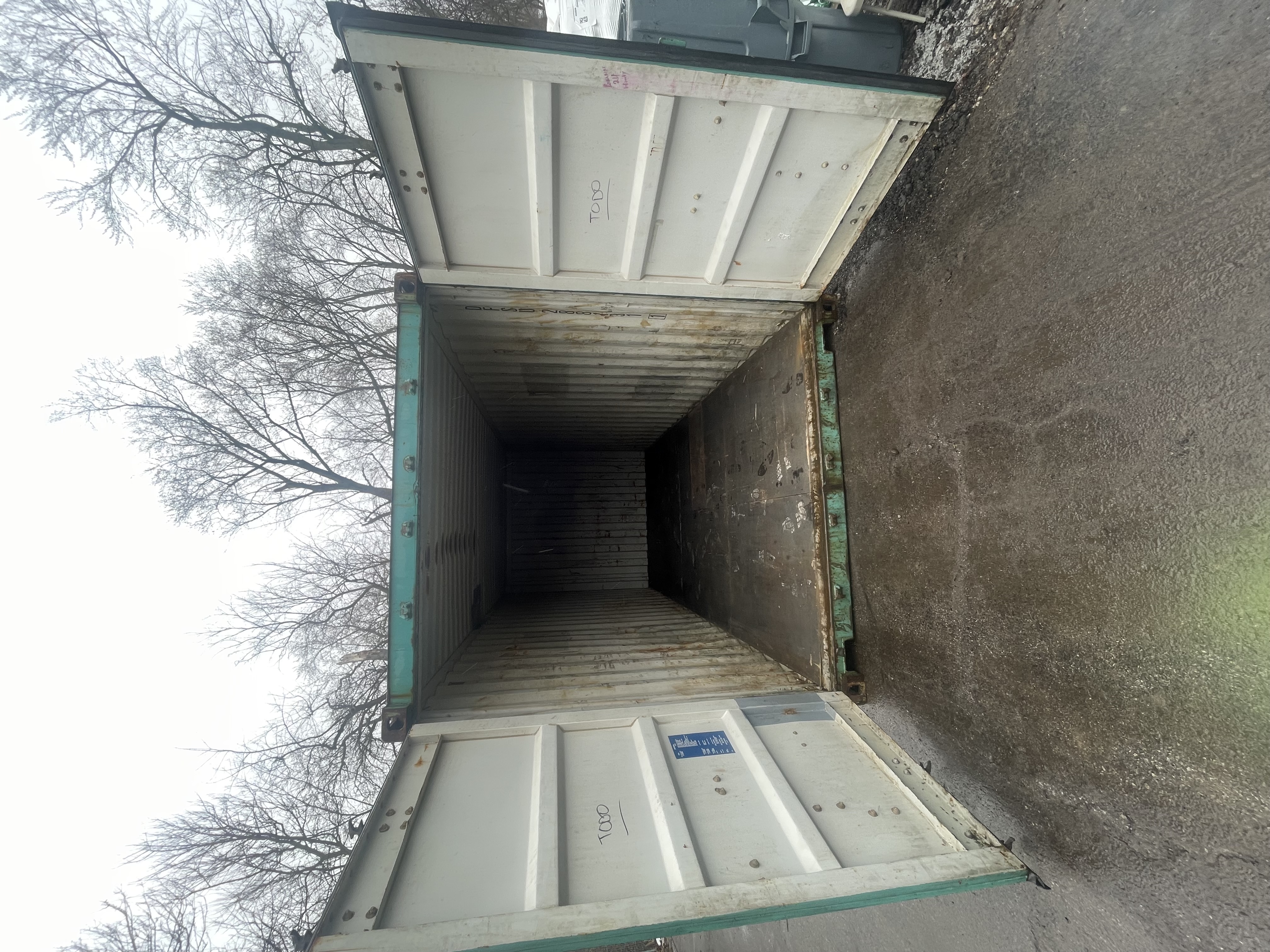
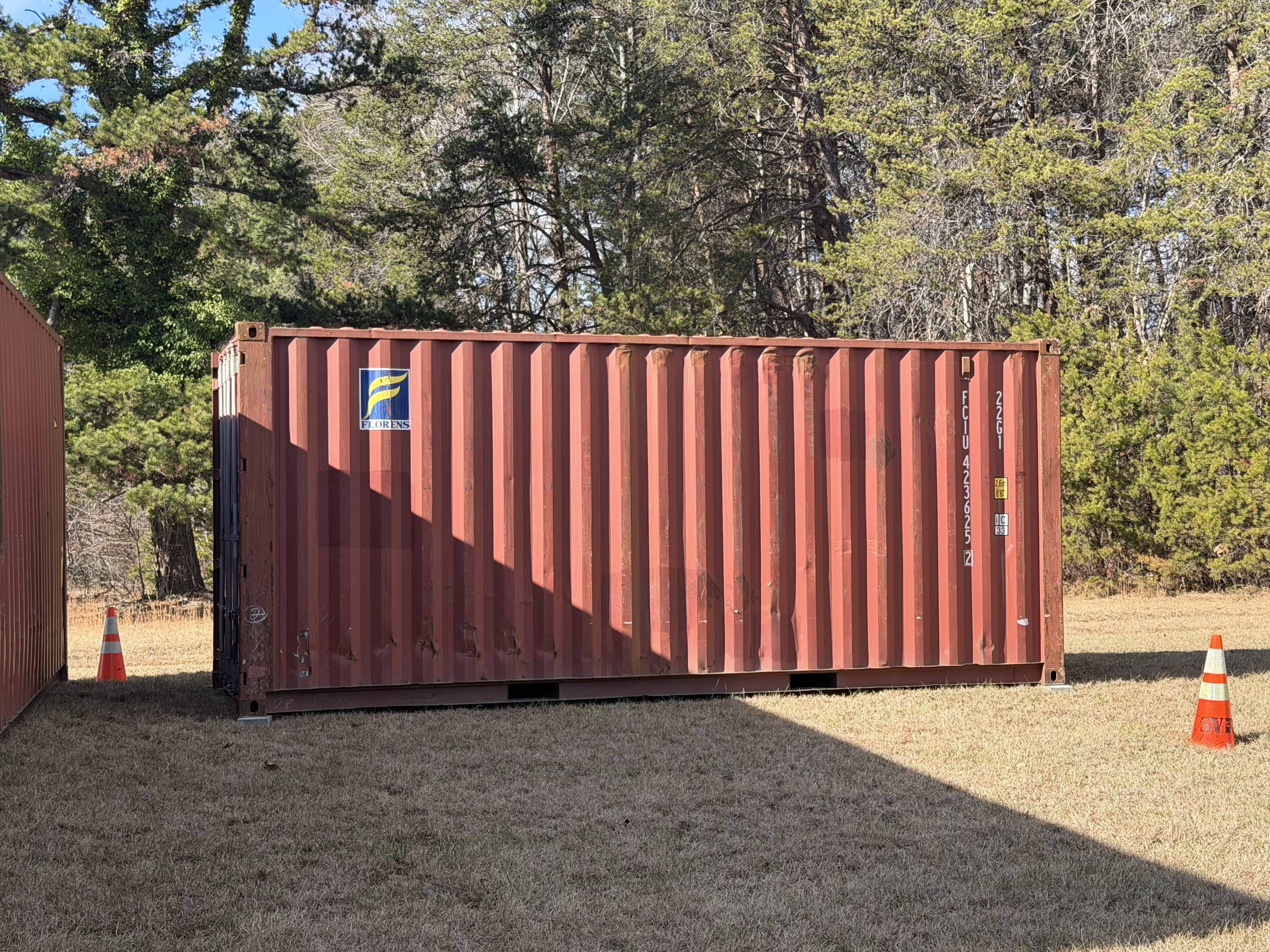
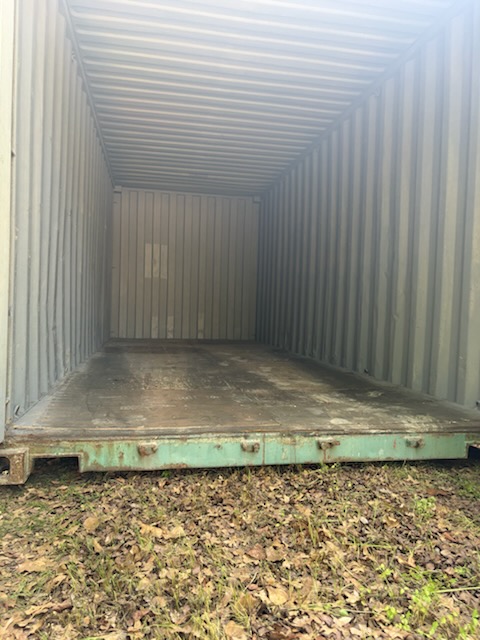
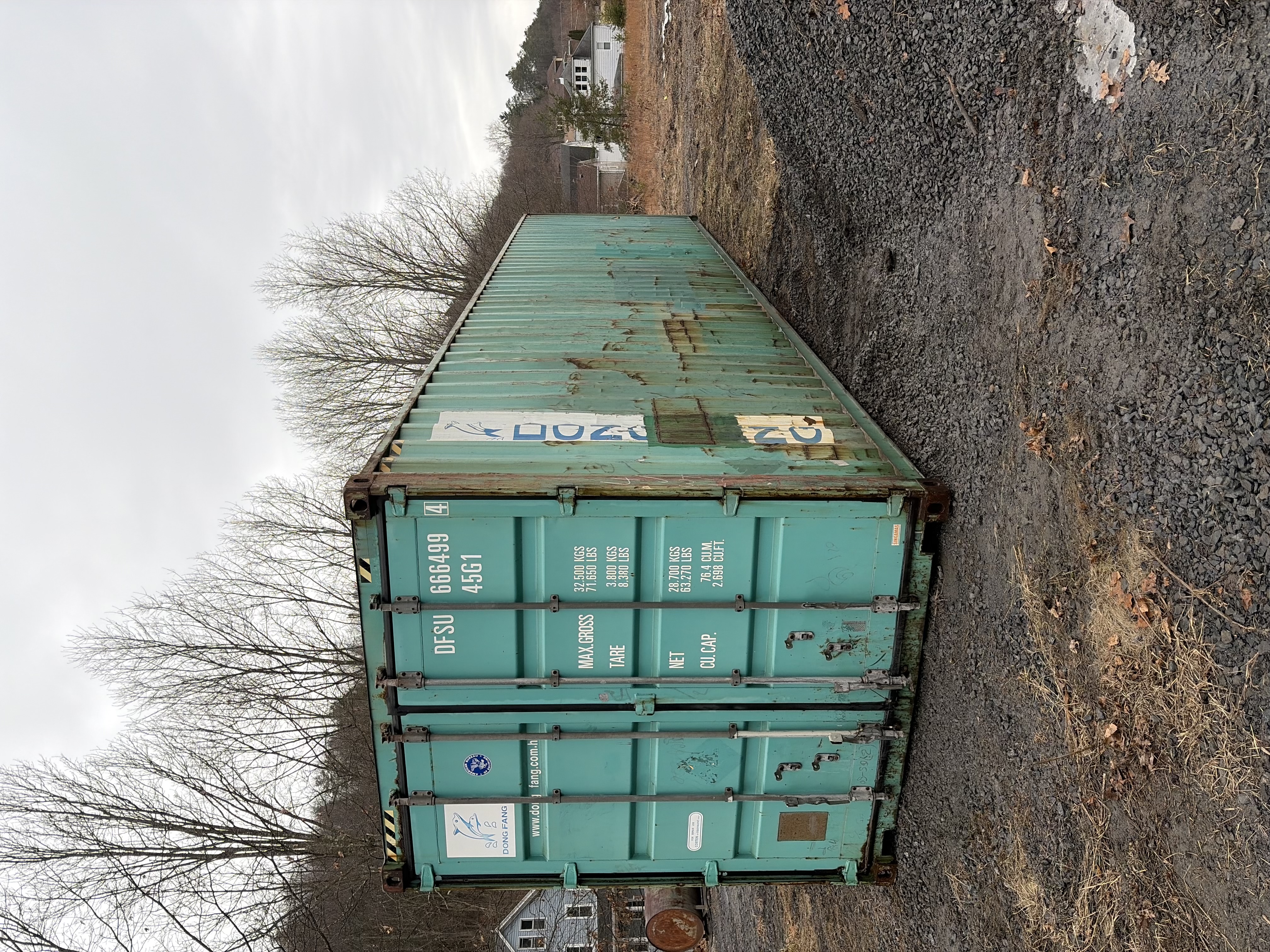
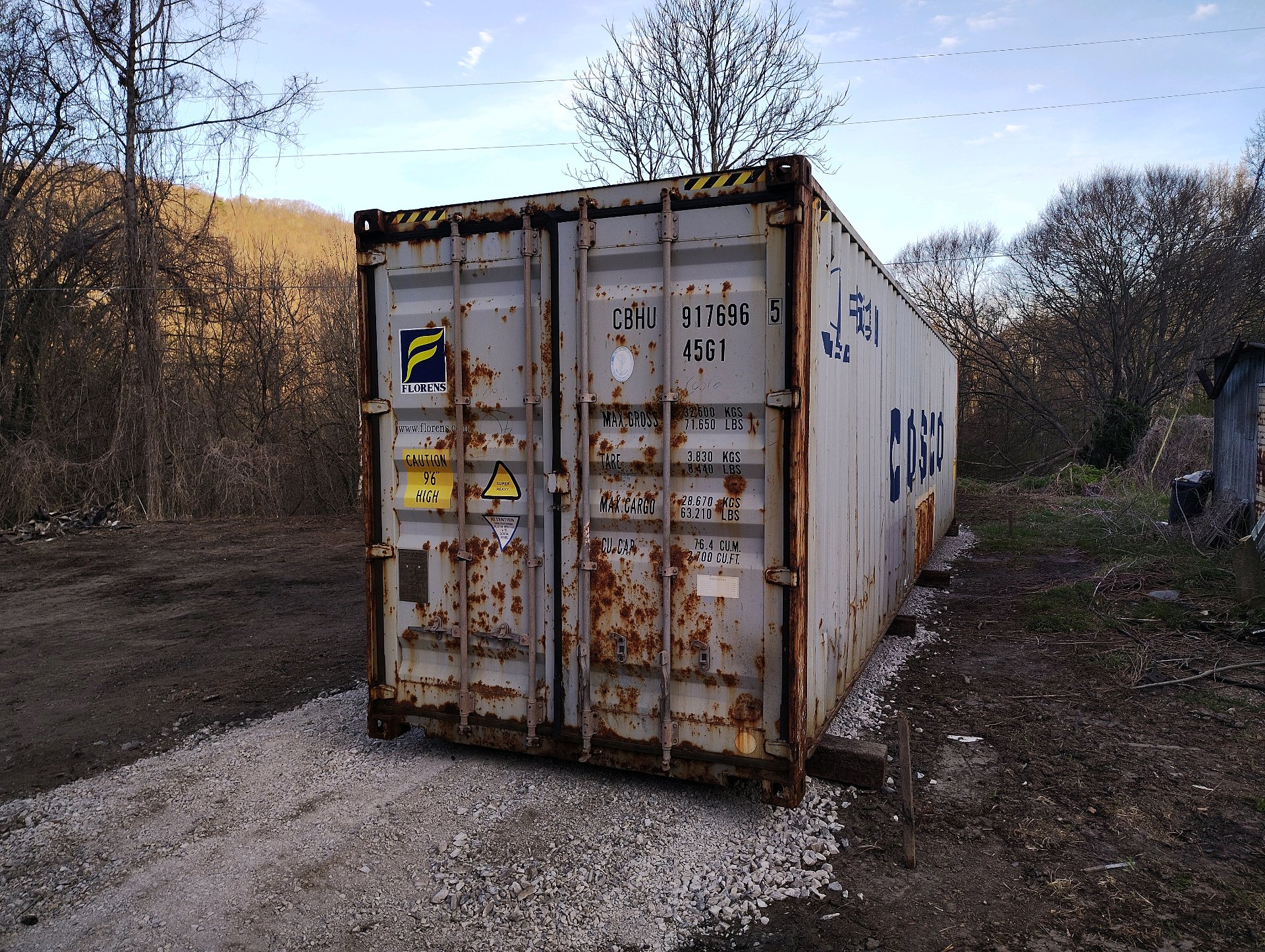
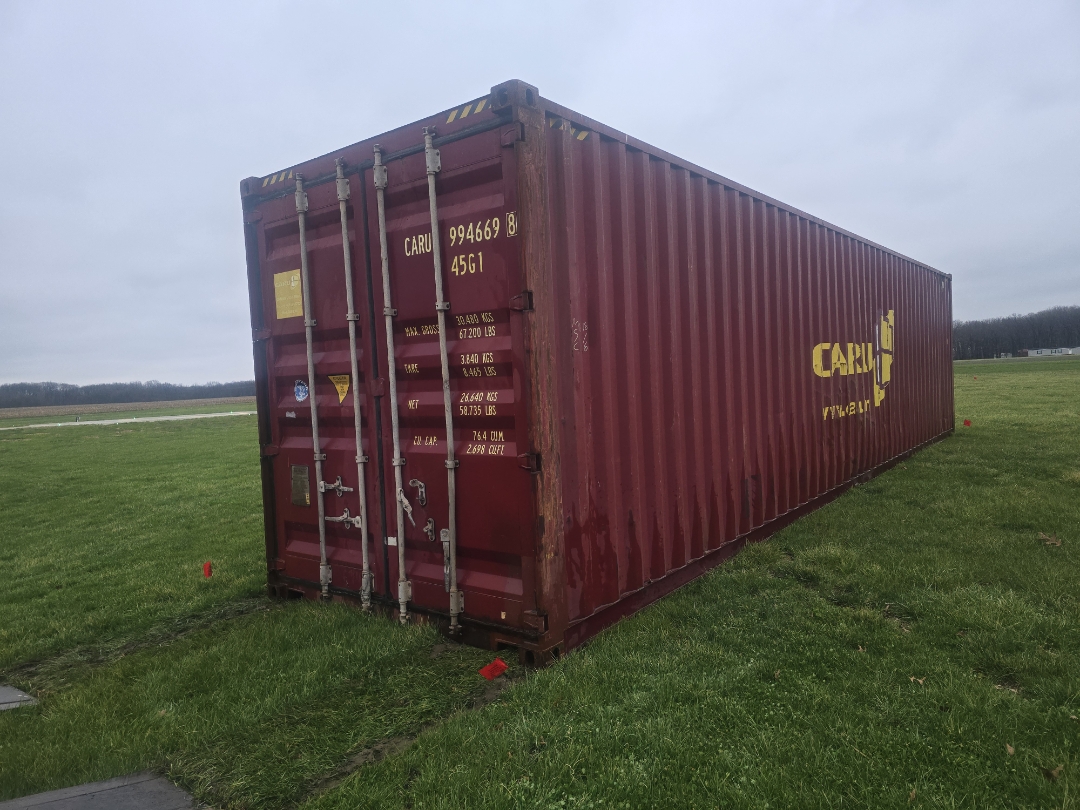
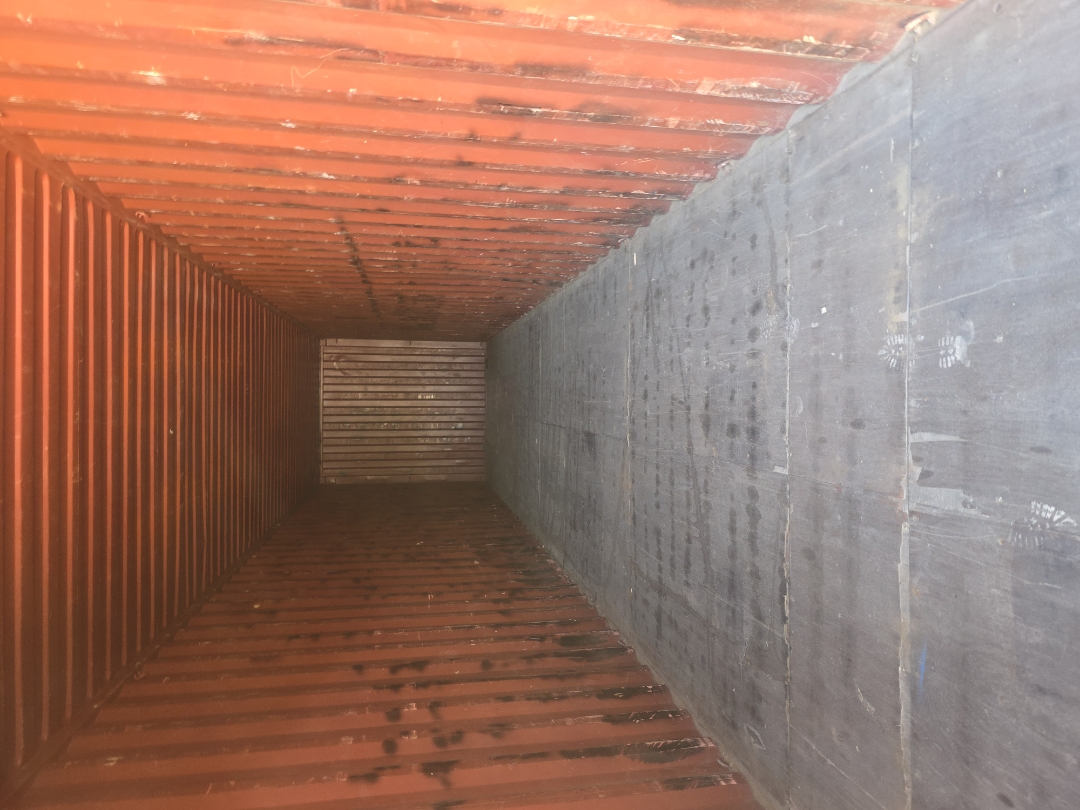
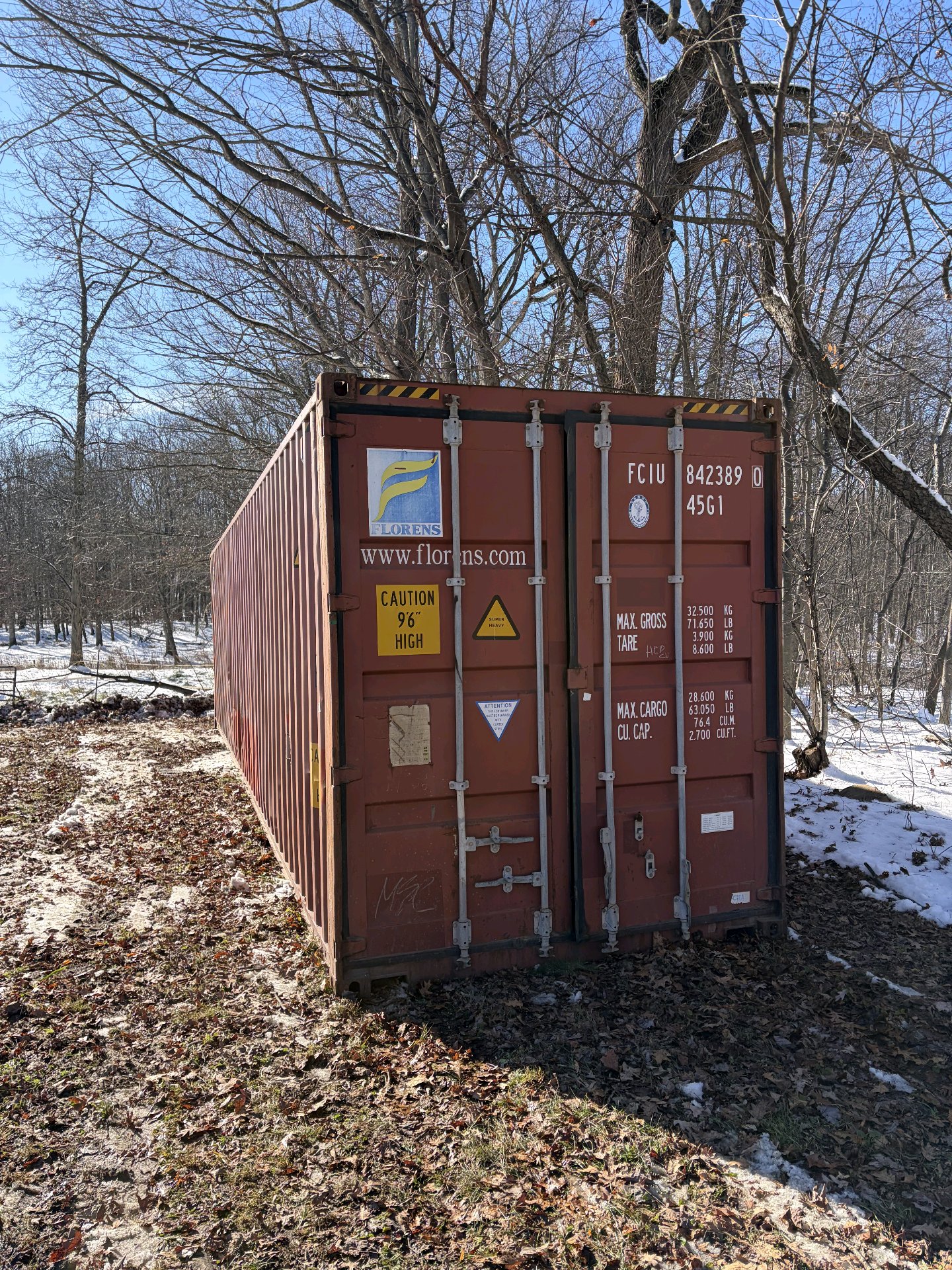
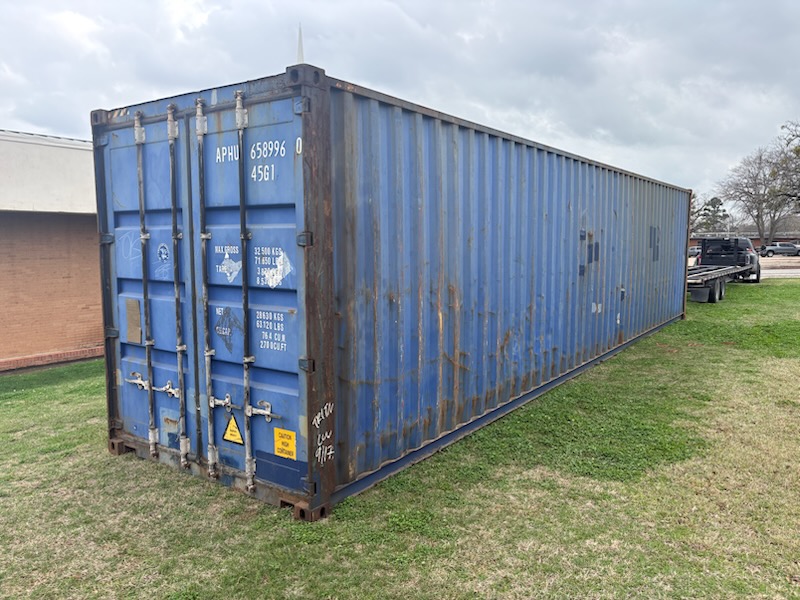
The photos below are actual WWT units delivered through Freedom Conex. They show the range of cosmetic conditions buyers can expect: surface rust, original shipping line paint, worn flooring, and functional doors. None of these containers leak. All are in active storage use.
20 ft WWT Units
40 ft High-Cube WWT Units
The 40 ft High-Cube (HC) is the dominant WWT unit available at US depots. At 9 ft 6 in tall versus the standard 8 ft 6 in, the extra foot of interior height is significant for storage of tall equipment, shelving systems, or any conversion project. The photos below show three different 40 ft HC WWT units from Freedom Conex deliveries.
Reading the ISO Code on the Door
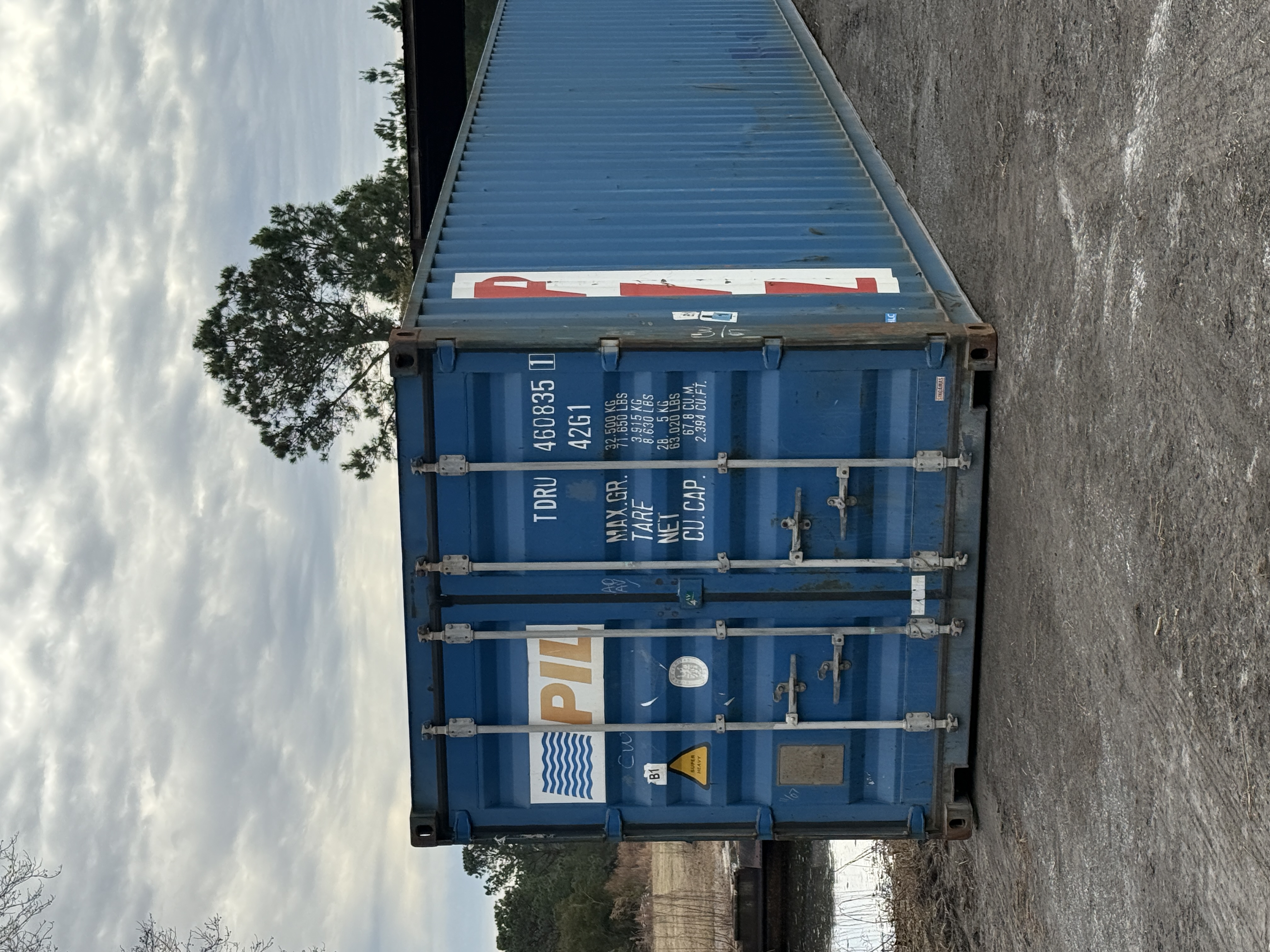
Every container door panel displays an ISO size-type code that tells you exactly what you have. The code appears as four characters, typically in the format 22G1 or 45G1.
| Code | Length | Height | Type |
|---|---|---|---|
| 22G1 | 20 ft | 8 ft 6 in (standard) | General purpose, dry |
| 42G1 | 40 ft | 8 ft 6 in (standard) | General purpose, dry |
| 45G1 | 40 ft | 9 ft 6 in (high-cube) | General purpose, dry |
| L5G1 | 45 ft | 9 ft 6 in (high-cube) | General purpose, dry |
The first character encodes length: 2 = 20 ft, 4 = 40 ft, L = 45 ft. The second character encodes height: 2 = standard (8 ft 6 in), 5 = high-cube (9 ft 6 in). All WWT units in the photos above display their ISO code on the door end, confirming size and type at a glance.
Cargo Worthy (CW)
Cargo Worthy
Cargo Worthy containers retain the structural integrity required for international maritime shipping. They have passed inspection criteria covering structural soundness, door seals, flooring condition, and dent tolerances. [18] They are eligible for CSC certification after independent inspection.
To qualify as Cargo Worthy, a container must pass inspection on: no holes or leaks, marine-grade plywood flooring in good condition, properly functioning doors and seals, and dents within acceptable limits. [18] In the retail market, Cargo Worthy is often a depot-level designation based on internal inspection against structural and condition criteria. A current, valid CSC plate is not always included with a CW unit. In many cases, obtaining formal CSC inspection and certification is an additional service the buyer can request (and pay for) before the container is released. Buyers who need a container for actual shipping should confirm whether a valid CSC plate is included or available as an add-on.
Most dealers offer a structural warranty on CW units, typically covering leaks and structural defects for 30 days to one year depending on the dealer. That warranty is the practical reason to pay the CW premium for any project where the container's condition matters beyond basic storage.
What CW Looks Like
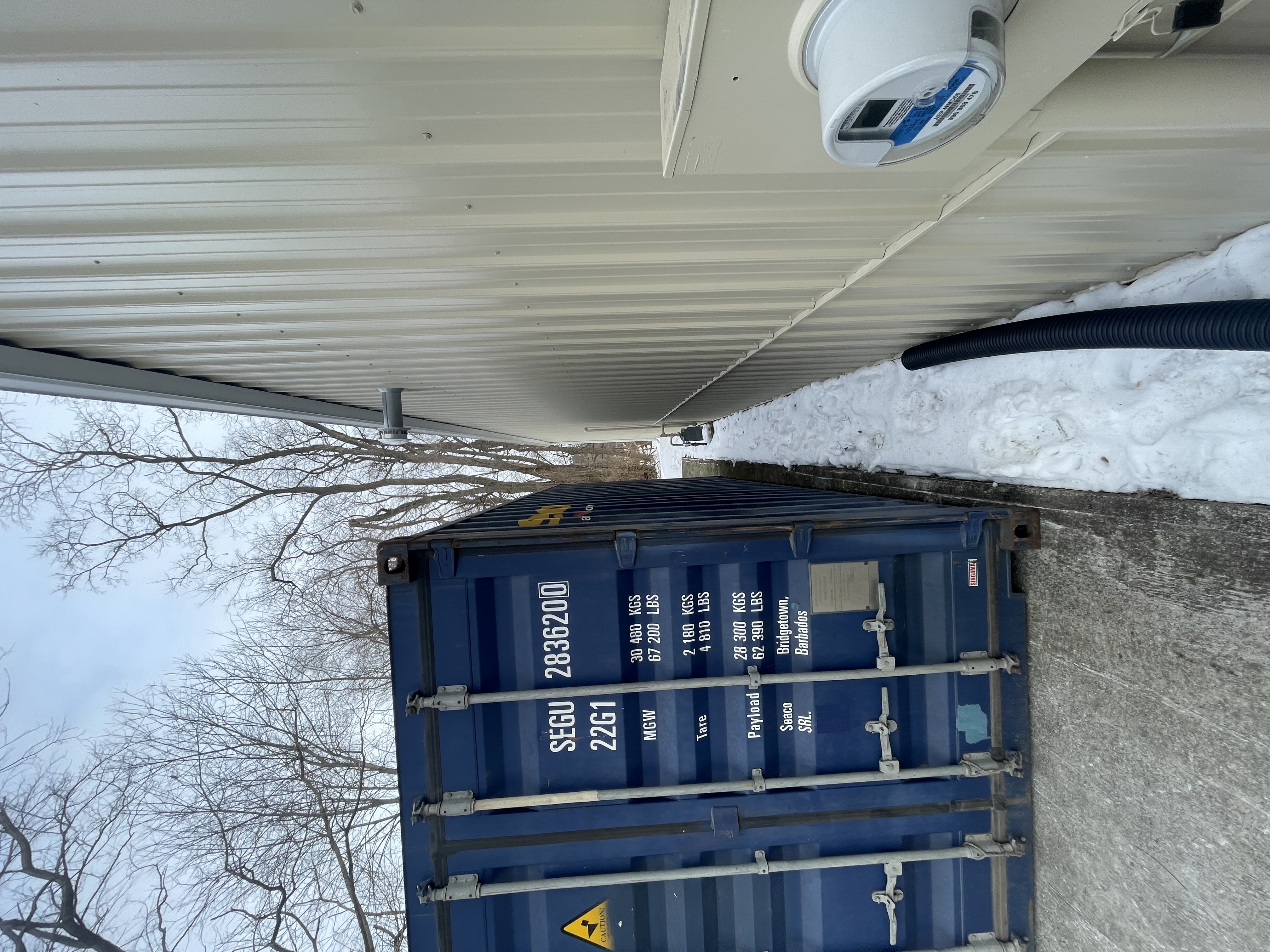
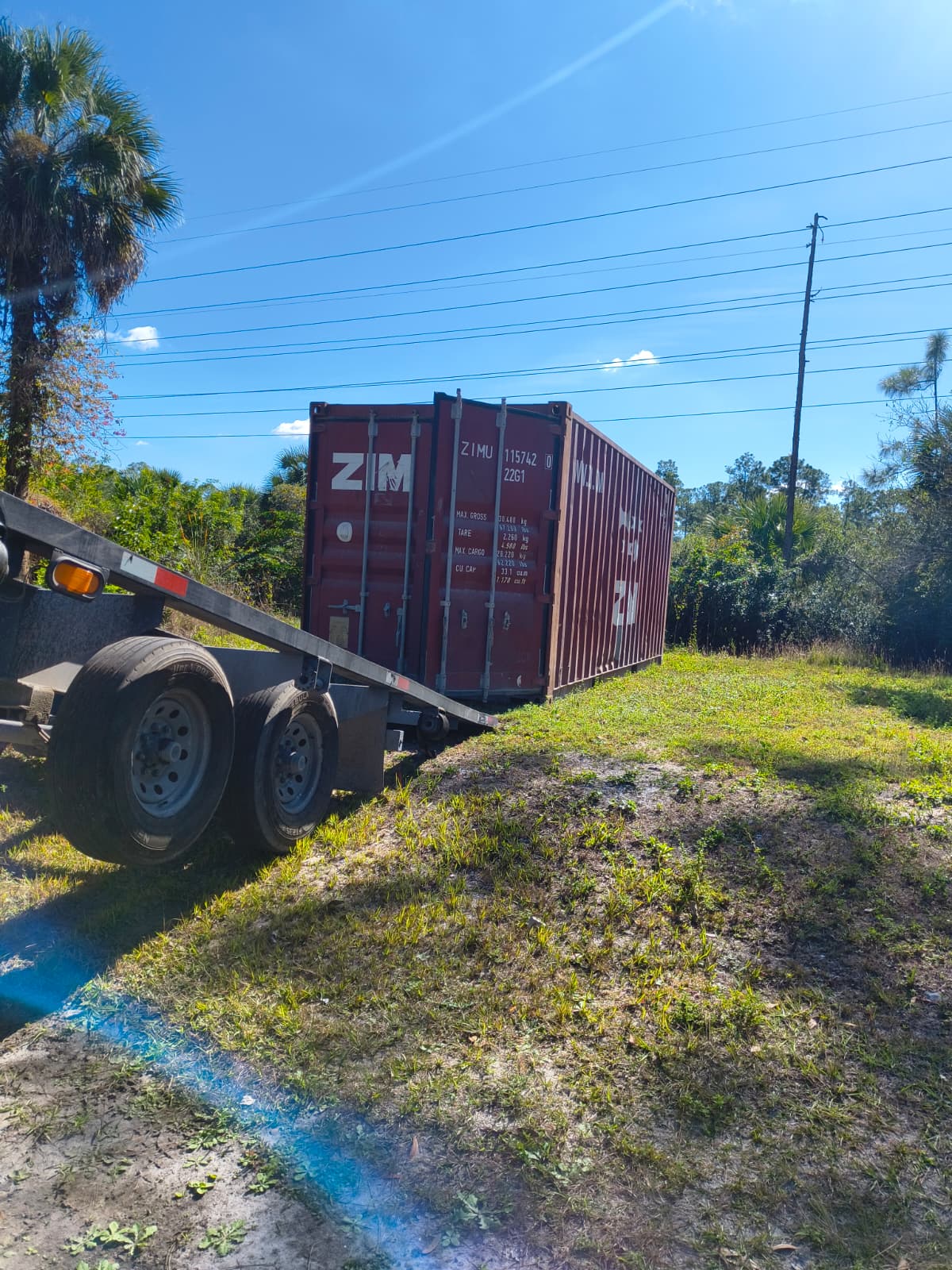
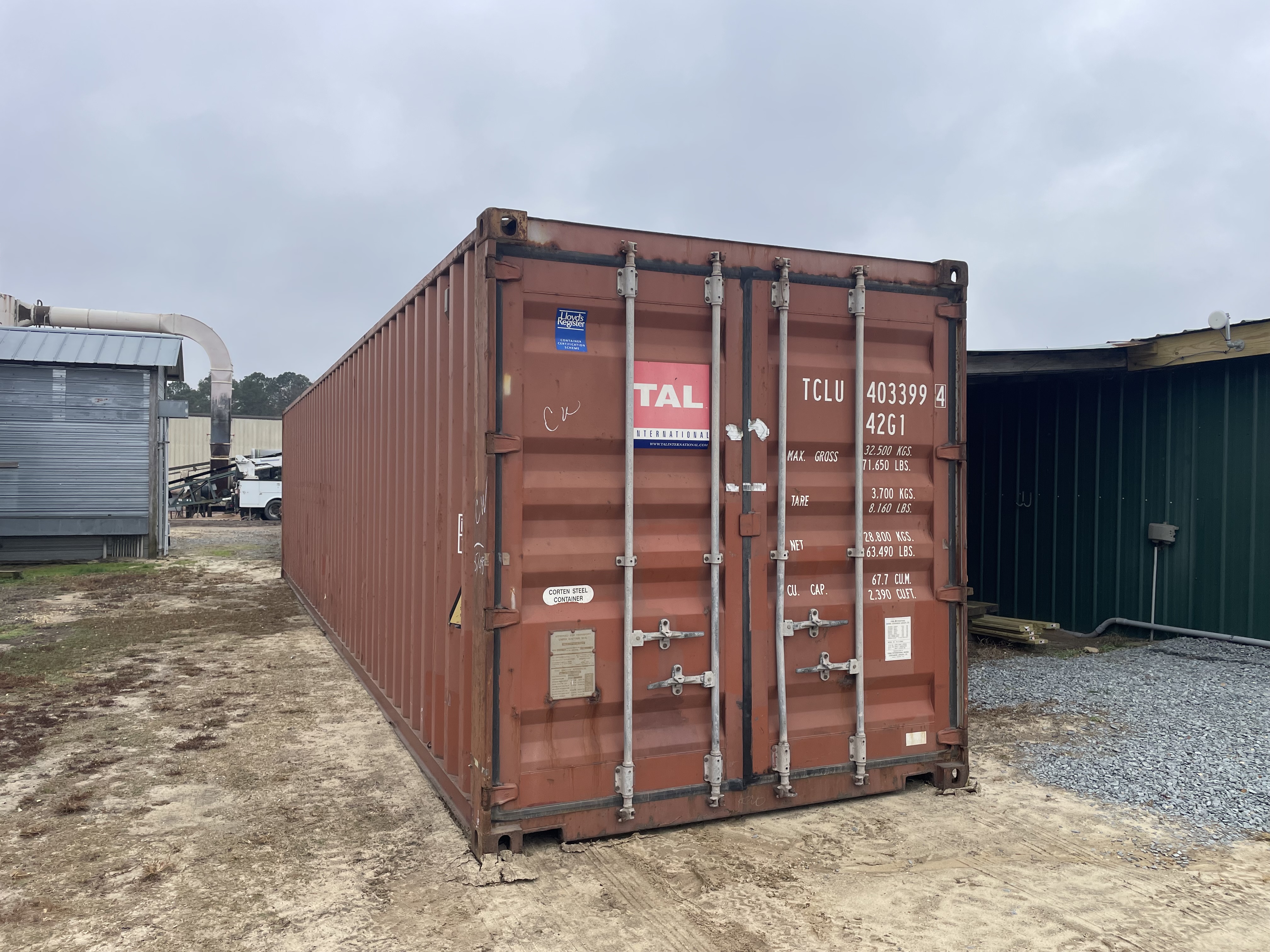
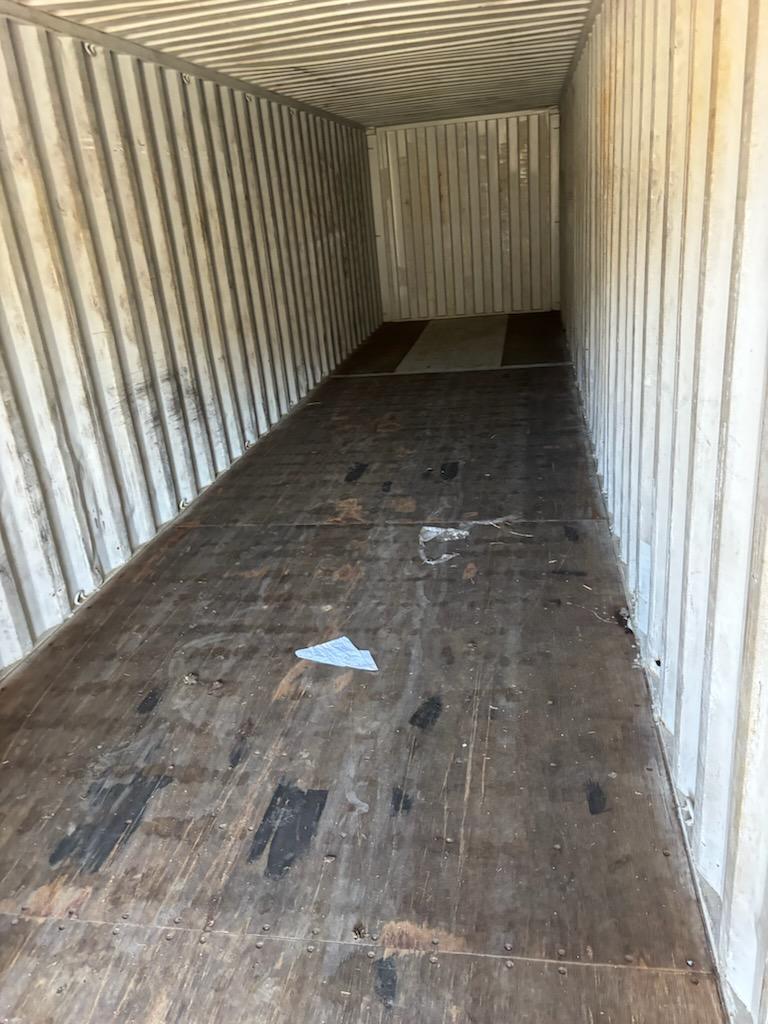
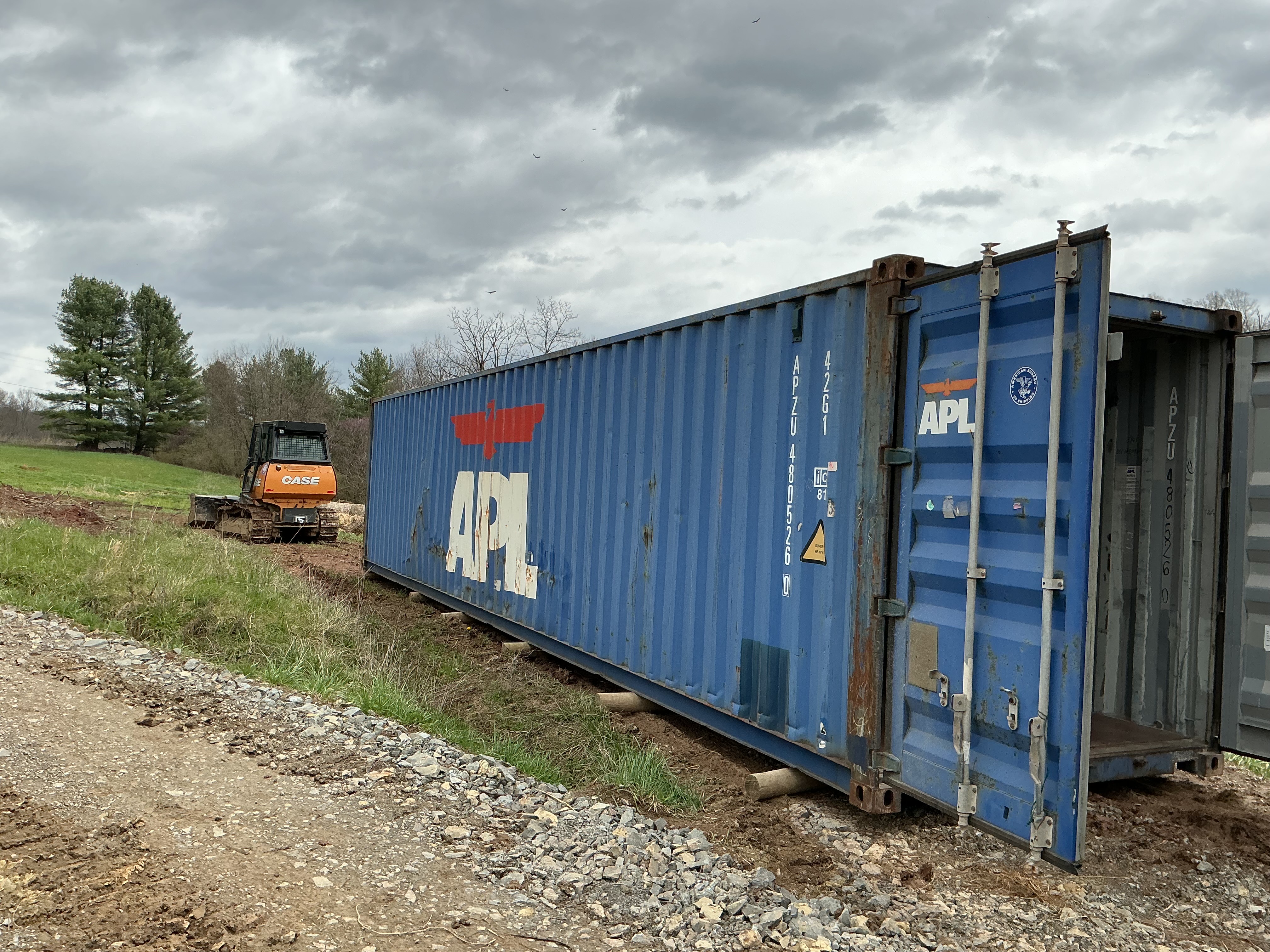
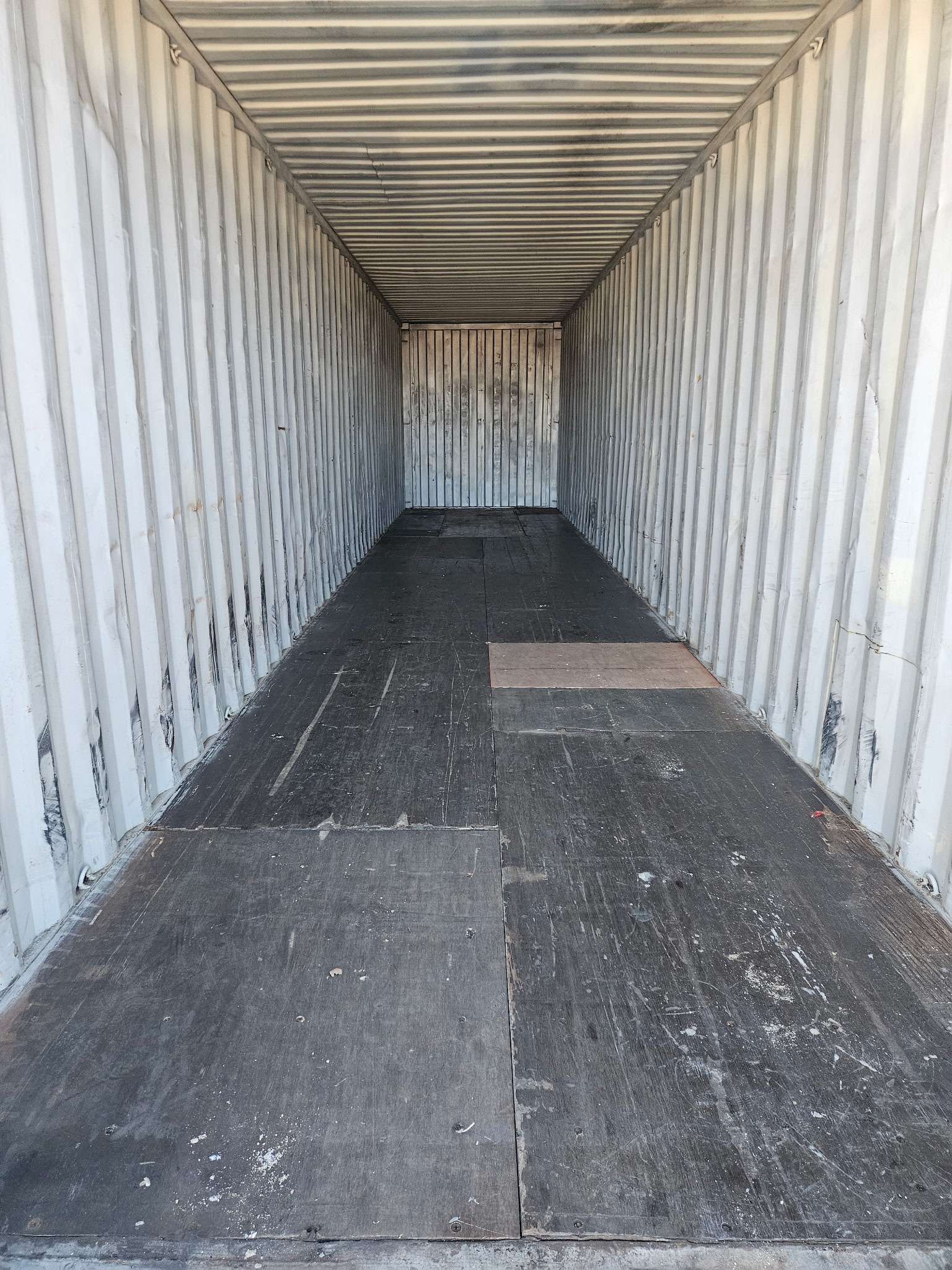
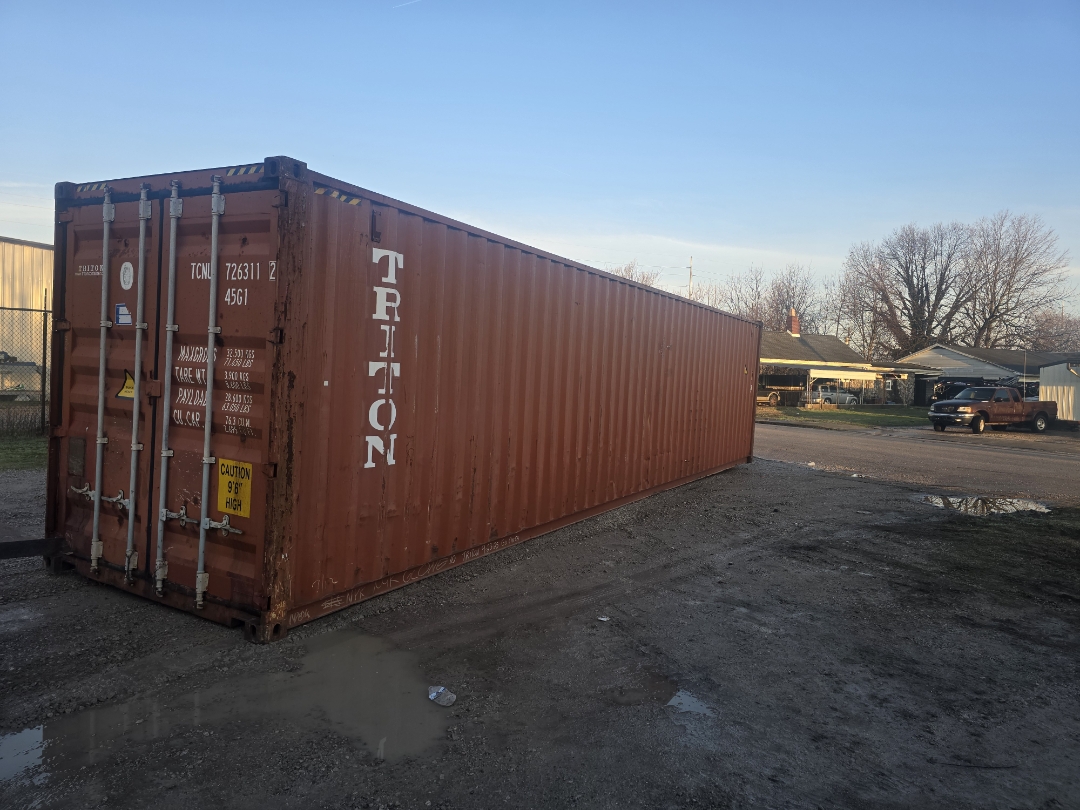
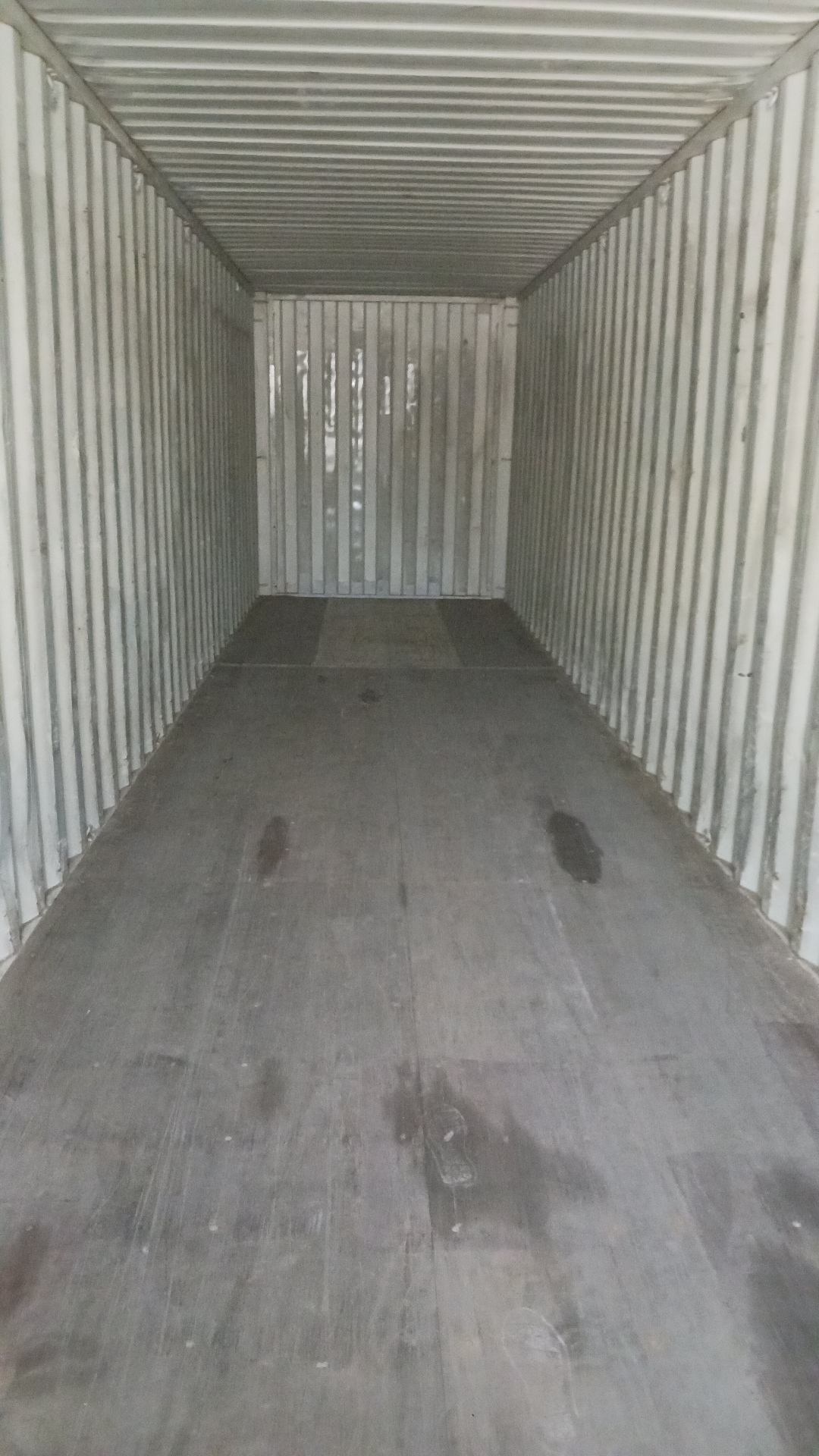
The photos below are actual Cargo Worthy units delivered through Freedom Conex. Compared to WWT units, CW containers show less surface rust, tighter door operation, and cleaner flooring. The difference is not always dramatic in appearance, but the inspection standard and warranty coverage behind them are fundamentally different.
20 ft Standard CW Units
40 ft Standard CW Units
40 ft High-Cube CW Units
Premium / Multi-Trip (Sometimes Called IICL)
Premium / Multi-Trip
Premium or Multi-Trip containers are used units selected from the cleaner, younger end of Cargo Worthy inventory. Dealers sometimes call this tier IICL or IICL Grade 5. It sits between standard Cargo Worthy and One-Trip: the container has completed multiple shipping cycles, but generally shows less wear, cleaner paint, and a better-kept interior than an average CW unit. [17]
What Premium / Multi-Trip Means in Practice
This is a market grade rather than a promise that every container has the same cosmetic condition. The useful distinction is selection: buyers are paying for a younger used unit with fewer dents, less corrosion, cleaner doors and seals, and a more presentable interior. Because dealer terminology varies, ask whether “IICL” refers to a documented inspection standard or is simply the dealer's name for premium used inventory.
Premium / Multi-Trip is a strong fit for workshops, customer-facing storage, farms, commercial sites, and conversion projects where a clean appearance matters but the price of a One-Trip unit is difficult to justify. Cosmetic handling marks, floor scuffs, and limited paint wear remain normal because these containers have been in active service.
What Premium / Multi-Trip Looks Like
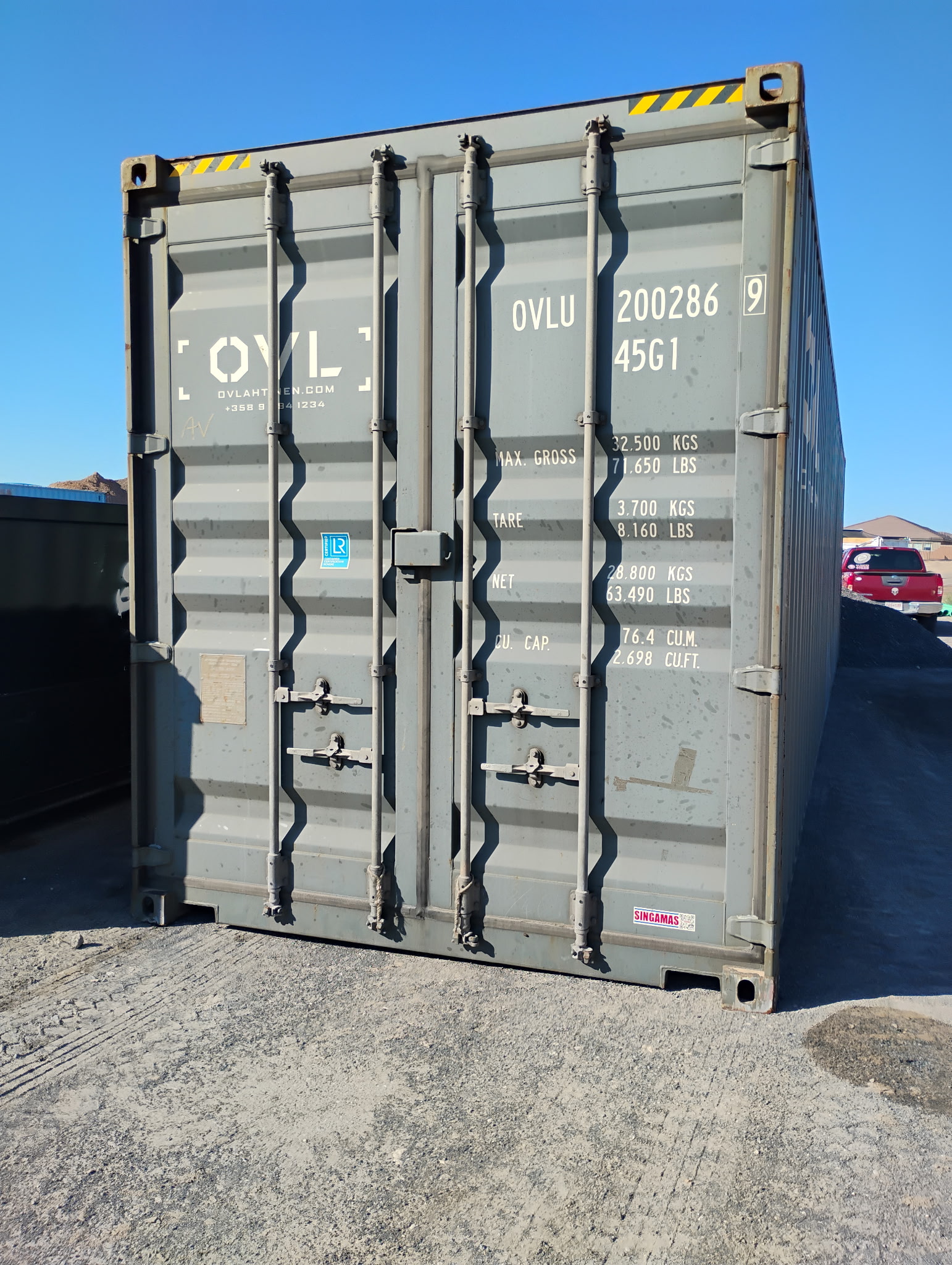
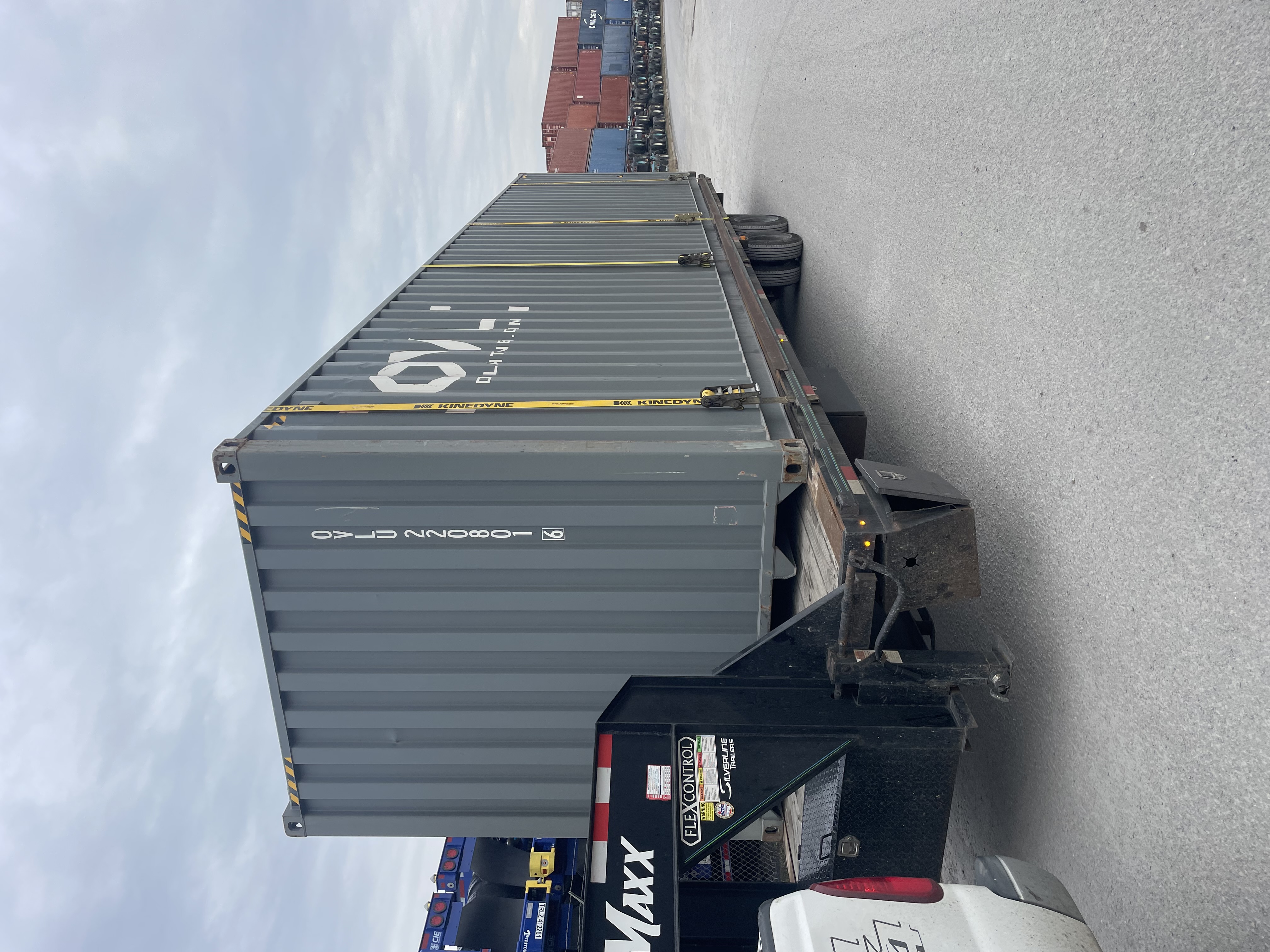
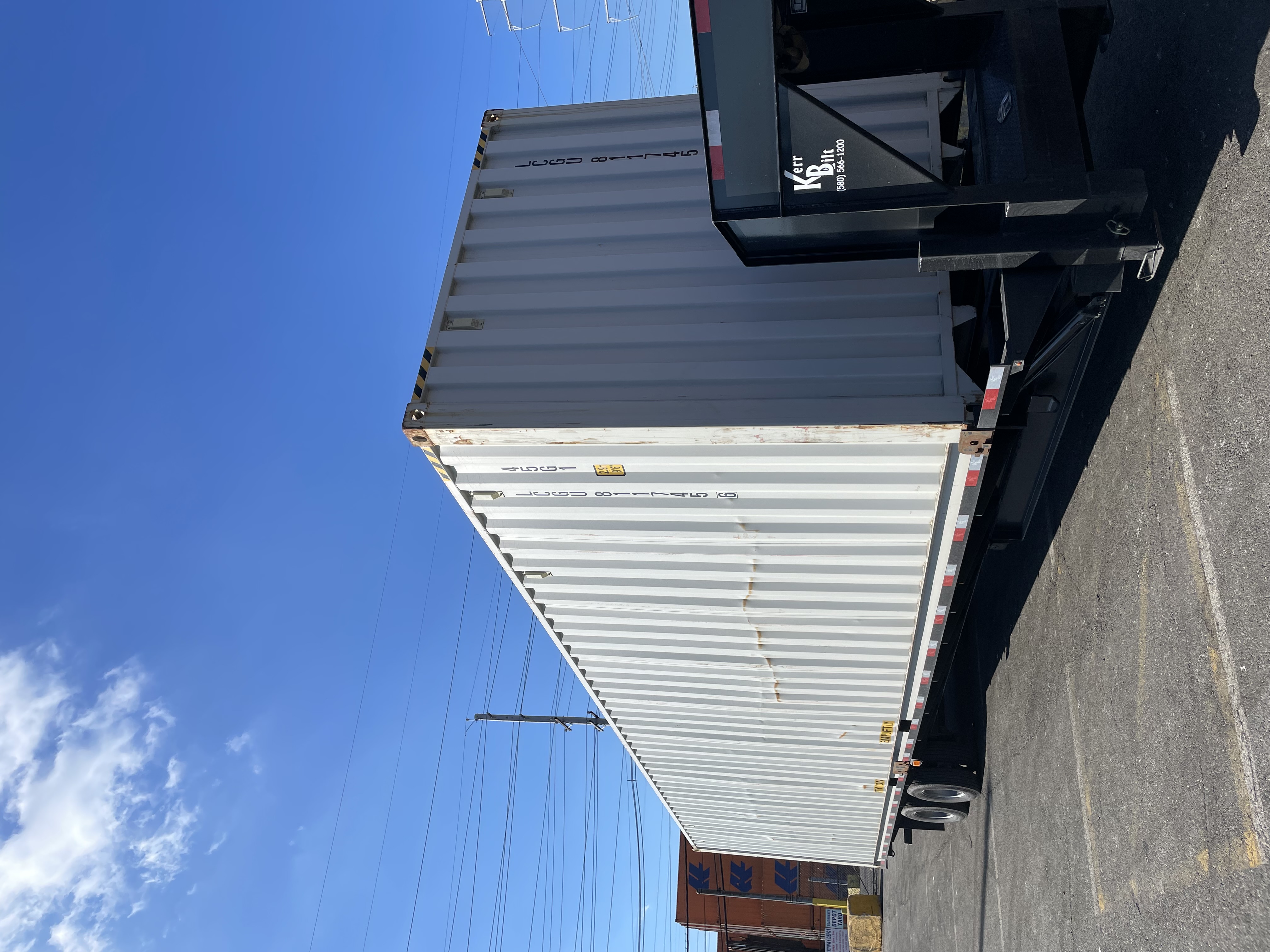
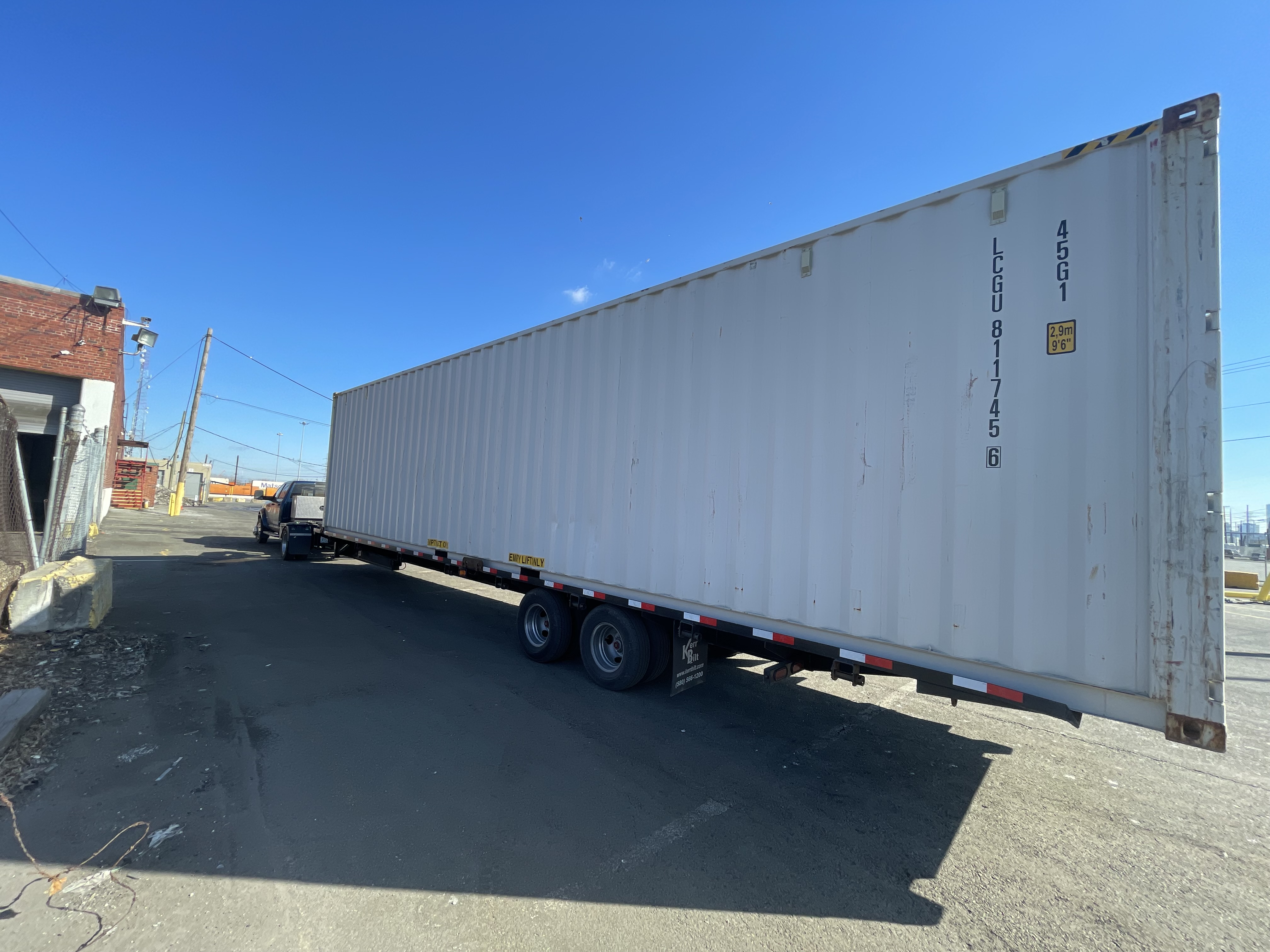
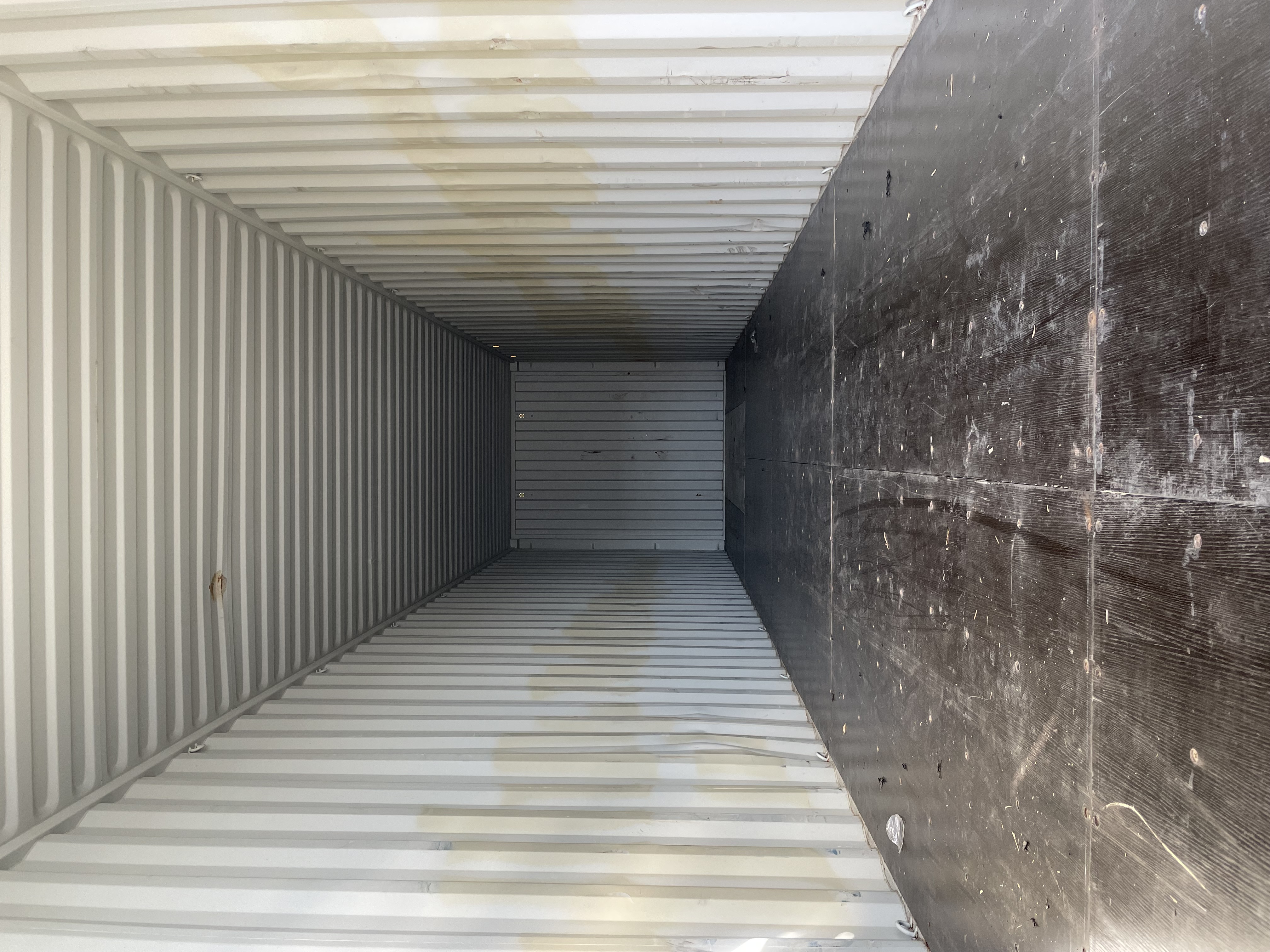
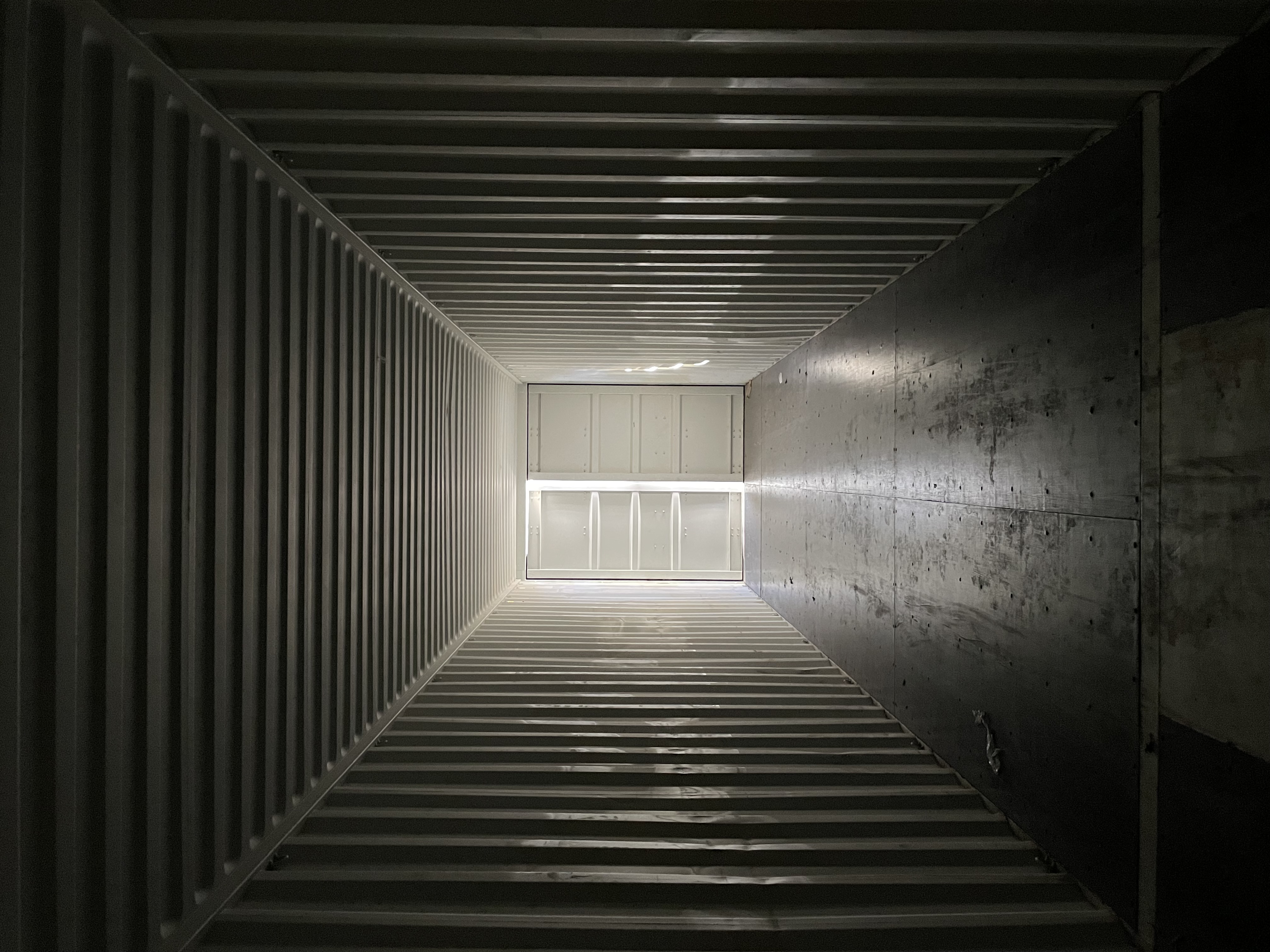
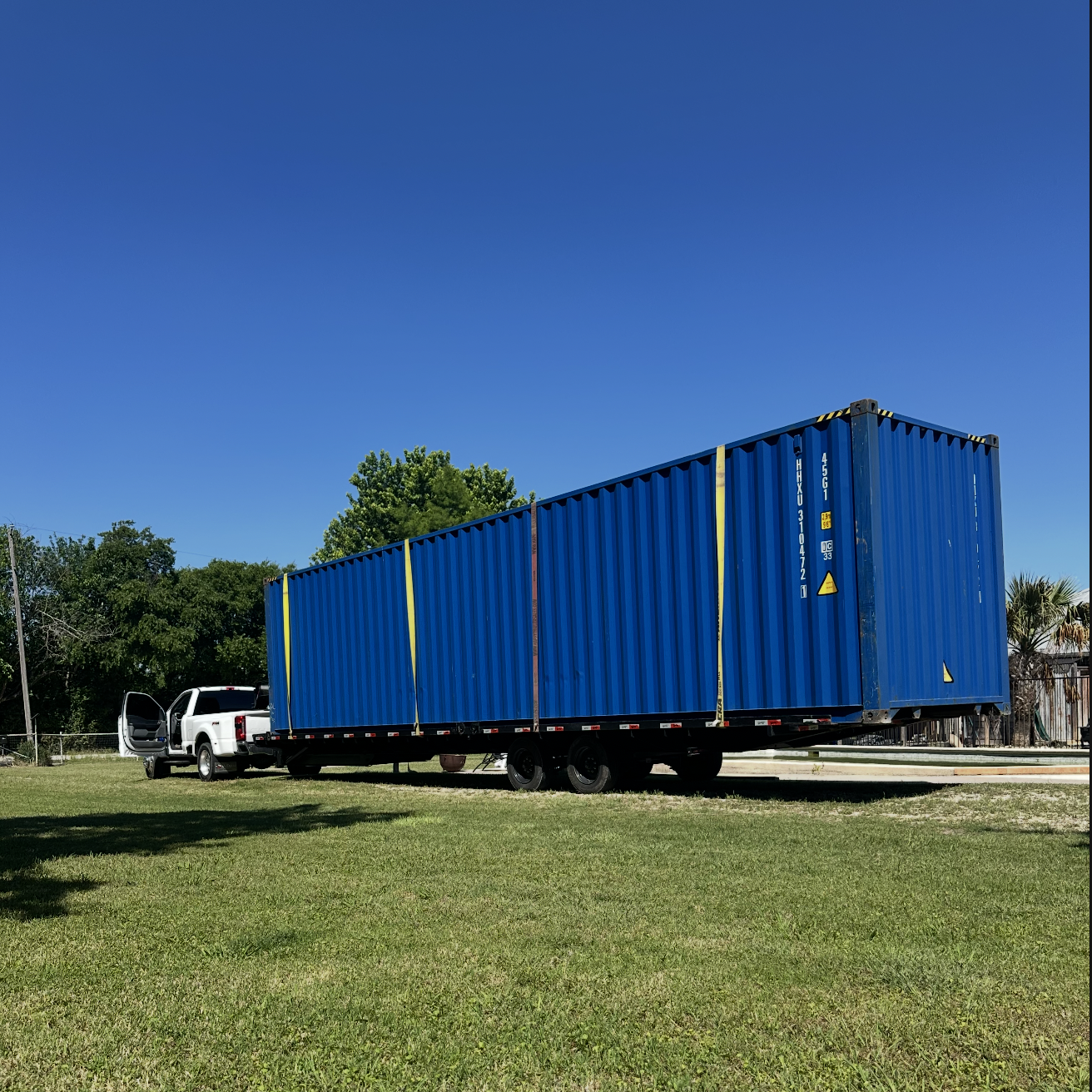
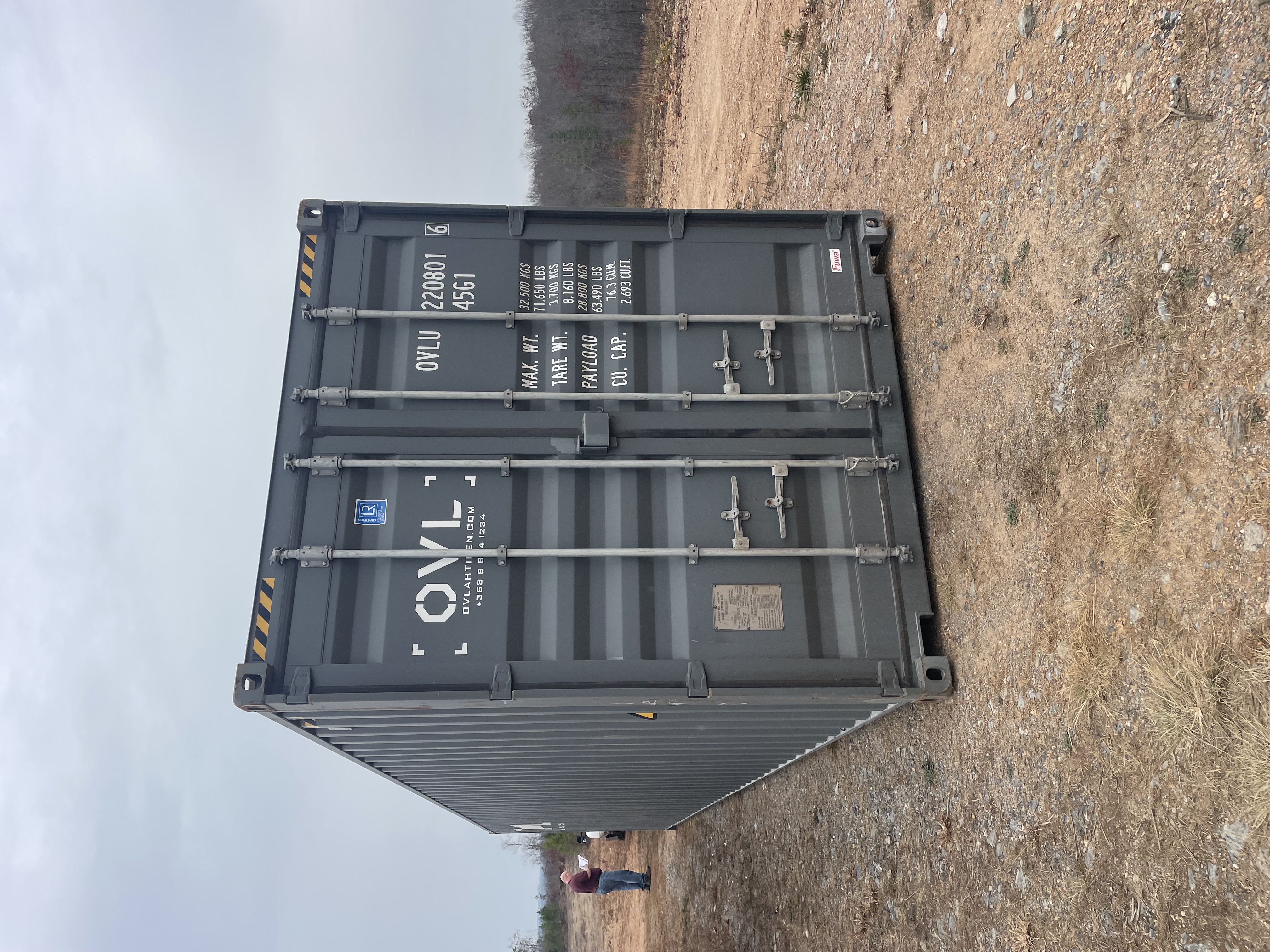
These supplied examples show the range within the grade: straight exterior panels, limited visible corrosion, intact door hardware, and clean interiors that still show normal evidence of prior cargo use.
40 ft High-Cube Premium / Multi-Trip Units
New / One-Trip
New (One-Trip)
One-Trip containers have made a single journey from their manufacturing origin, typically China, to their first destination. They arrive in essentially new condition: minimal handling marks, clean interiors, original paint, perfect door operation, and marine-grade plywood flooring.
One-Trip is the correct choice for residential conversions, retail builds, container homes, or any project where aesthetics, tight door seals, or extensive modification justify the premium. The price difference over CW is typically $1,500–$3,000 per unit as of Q2 2026, depending on size and market conditions. [86]
What One-Trip Looks Like
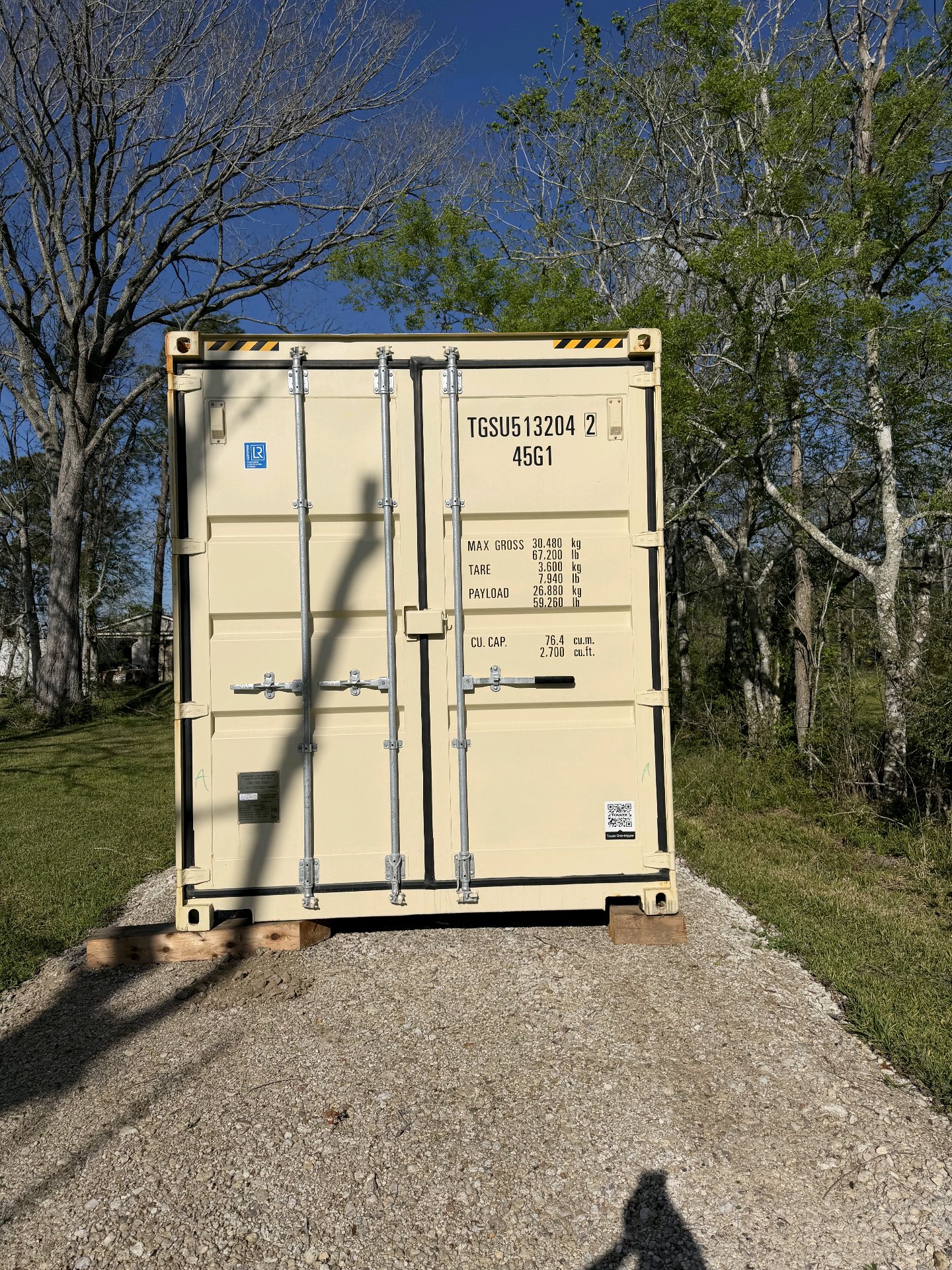
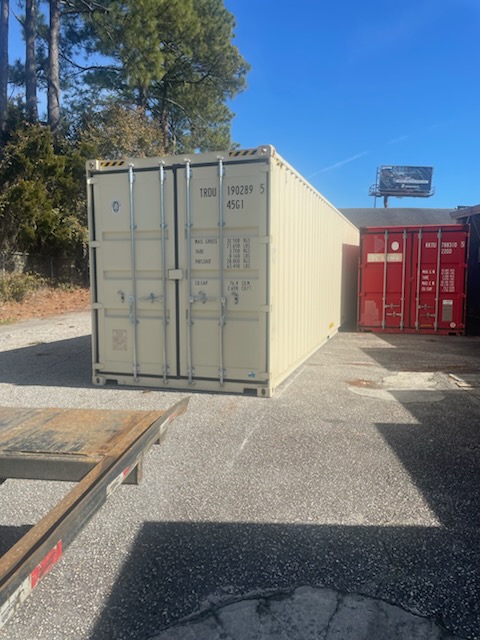
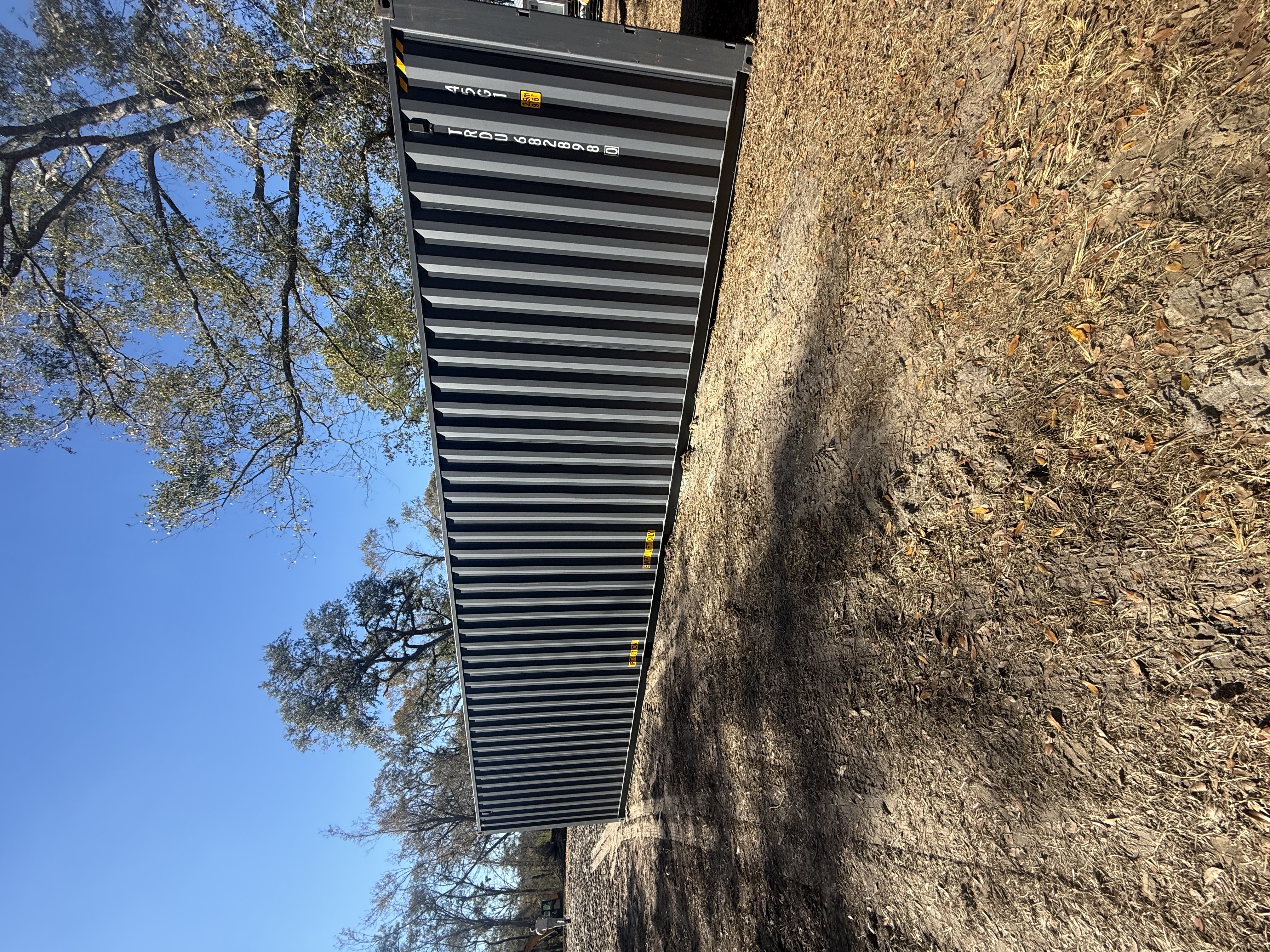
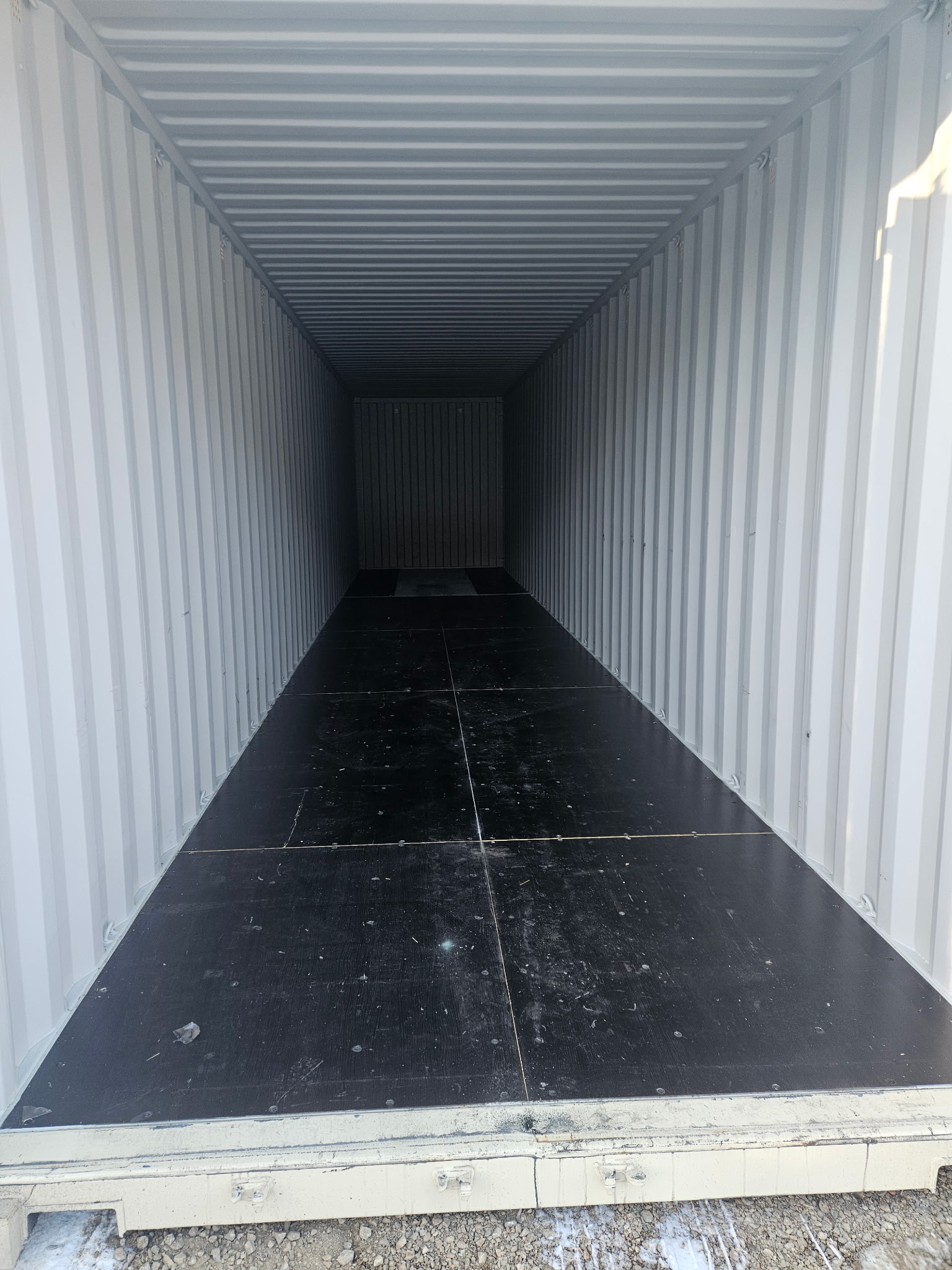
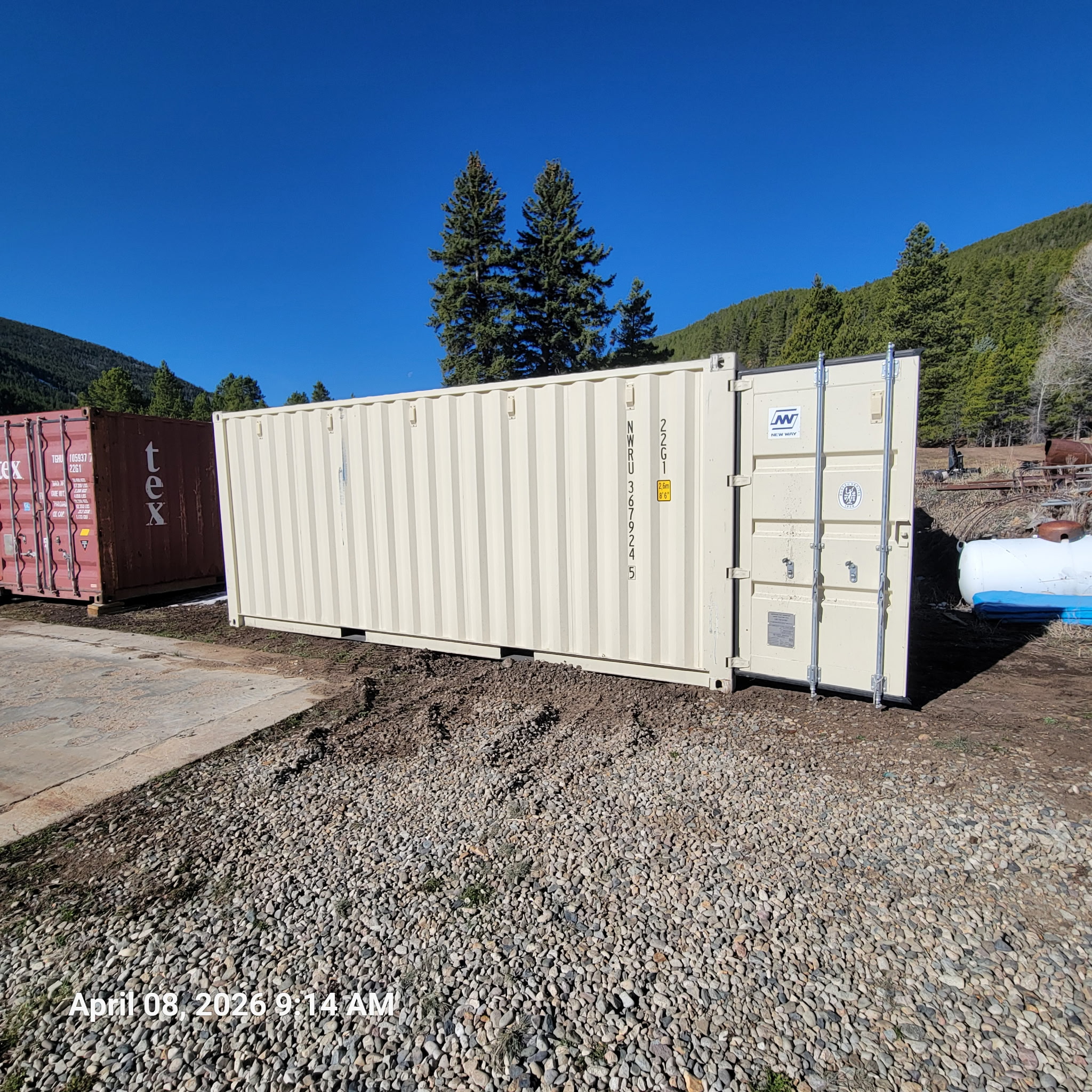
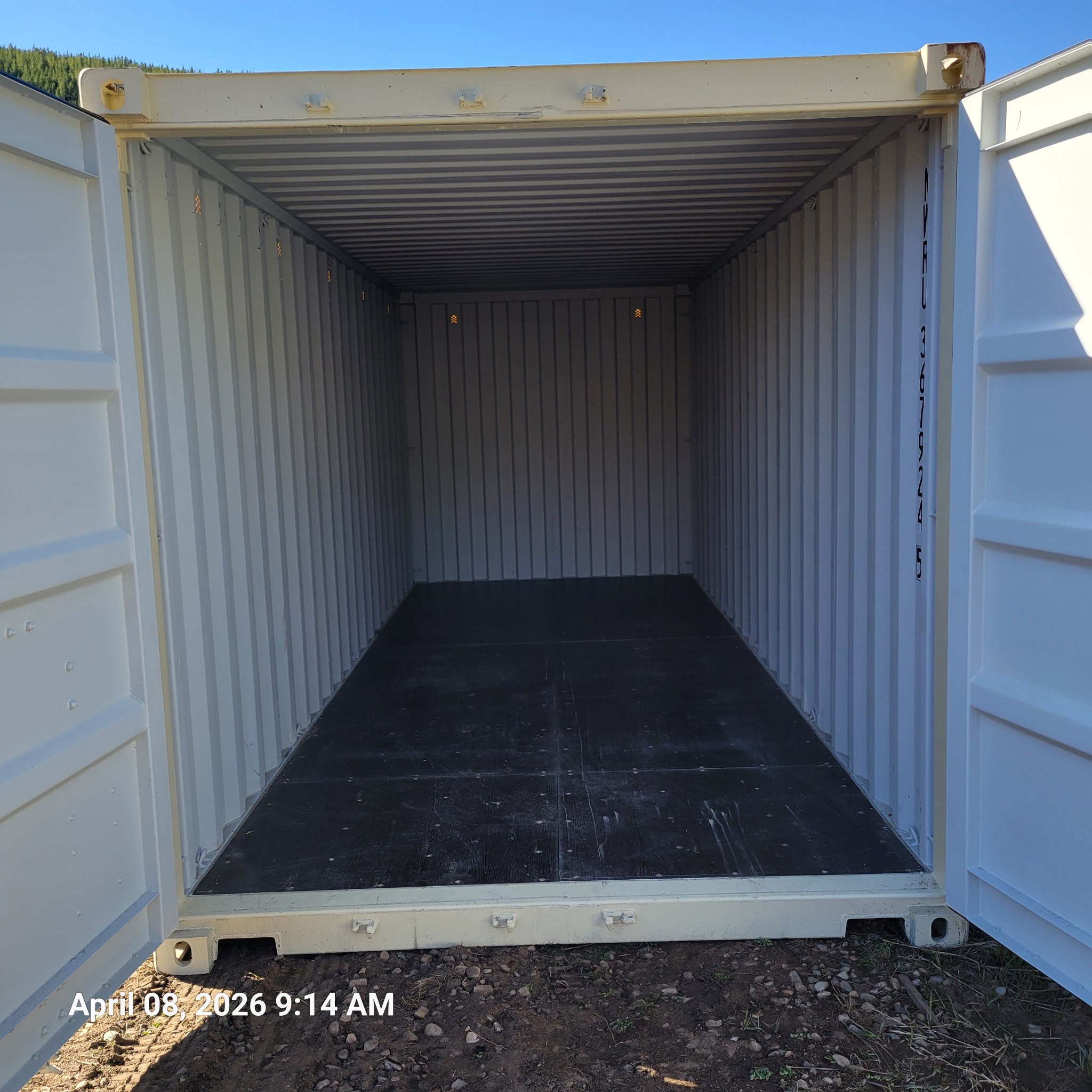
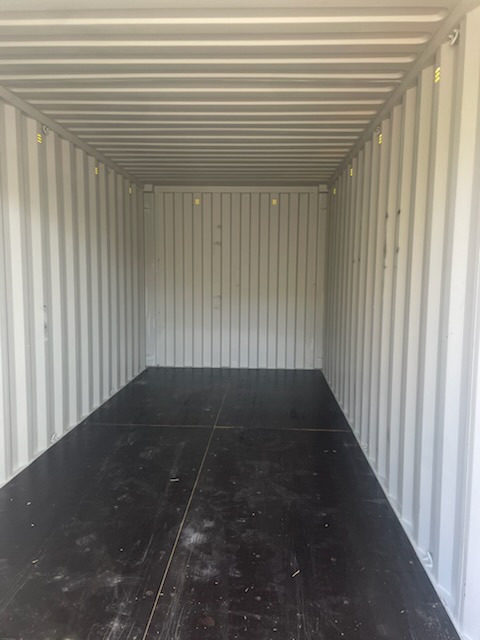
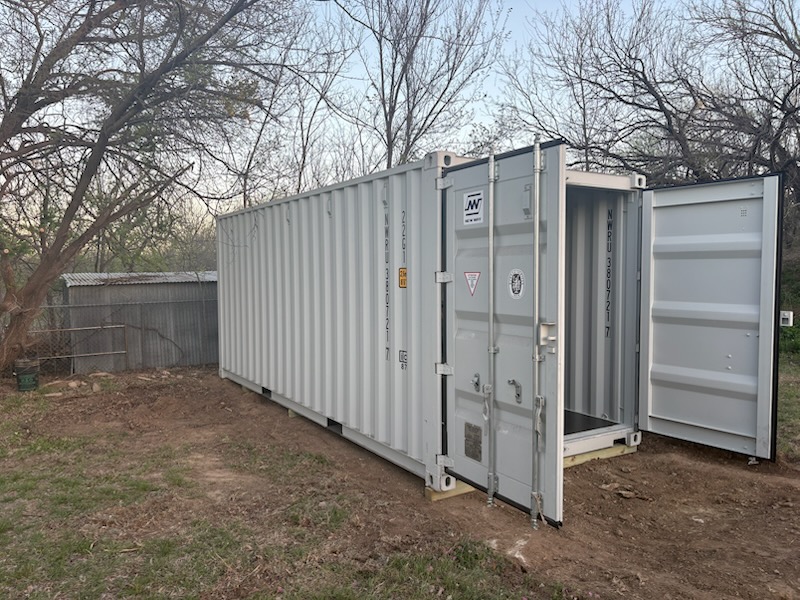
The photos below are actual One-Trip 40 ft High-Cube units delivered through Freedom Conex. The difference from used inventory is visible immediately: factory paint, clean interiors, no surface rust, and tight door seals with original hardware.
40 ft High-Cube One-Trip Units
20 ft Standard One-Trip Units
40 ft Standard vs. 40 ft High-Cube: The Pricing Reality
The common assumption is that a 40 ft Standard container costs less than a 40 ft High-Cube because it is smaller. In the used market, that assumption is broadly correct but the gap is narrower than most buyers expect. Published sources cite a national average premium of 10–20% for used HC over used STD of the same condition. [117] Live depot pricing frequently shows a gap of $100–$300, roughly 5–10% at current market prices. The premium is real but small relative to the additional 344 cubic feet of interior volume. In the One-Trip and new container market, the assumption frequently inverts entirely.
The reason is supply. Shipping lines have been migrating from 40 ft Standard to 40 ft High-Cube as their default new build for over a decade. The extra foot of interior height allows more cargo per vessel slot at no additional footprint cost, improving fuel and transportation efficiency per unit of cargo moved. [118] As a result, 40 ft Standard containers are increasingly scarce in new and One-Trip inventory at US depots. [119] High-Cube has become the default 40 ft format in active shipping, which means it is also the dominant format cycling into the used market.
In many depot markets, a One-Trip 40 ft HC is priced the same as or below a One-Trip 40 ft STD, simply because HC inventory is more available. A buyer who assumes Standard is cheaper and searches only for Standard units may pay more for a container with less interior height.
| Factor | 40 ft Standard | 40 ft High-Cube |
|---|---|---|
| Interior height | 7 ft 10 in (2.39 m) | 8 ft 10 in (2.69 m) |
| Interior volume | 2,350 cu ft (66.5 cu.m) | 2,694 cu ft (76.3 cu.m) |
| ISO code | 42G1 | 45G1 |
| New/One-Trip availability | Decreasing at US depots | Abundant; default new build format |
| Used availability | Common | Common and increasing |
| Typical used price vs. STD | Baseline | 0–20% higher nationally; often equal locally [117] |
| Typical One-Trip price vs. STD | Baseline (where available) | Often equal or lower due to higher supply [119] |
| Bridge/clearance consideration | None | Verify overhead clearances on delivery route for 9 ft 6 in height |
As-Is
As-Is
As-Is containers are sold in current condition and are no longer suitable for cargo transport. They may have holes, leaks, major dents, and door or flooring problems.
As-Is units are appropriate for buyers comfortable with significant repairs, or for heavily modified projects where original structural condition is irrelevant to the end use. They are not appropriate for buyers who expect a functional storage unit without additional investment.
CSC and IICL Certifications
CSC (Container Safety Convention)
CSC certification is an international standard established by the International Maritime Organization (IMO) in 1972. [14] Every container intended for international commerce must carry a CSC plate showing: date of manufacture, maximum gross weight, payload capacity, tare weight, and next inspection due date. CSC surveys are conducted by certified third-party inspectors, not dealers.
A seller calling a container "Cargo Worthy" is making a claim about its condition, not presenting a certificate. Always ask for documentation and photos of the specific unit before purchase.
Key facts buyers get wrong about CSC:
- An expired CSC certification does not affect a container's suitability for static storage. It only means the container is no longer certified for international shipping.
- Cargo Worthy containers are eligible for CSC certification after independent inspection.
- WWT containers are not eligible for CSC certification.
- New one-trip containers need to be re-certified for subsequent international shipping use.
- Under the Periodic Examination Scheme (PES), containers undergo an initial CSC survey within five years of manufacturing, then every 30 months. [15]
- Under the Approved Continuous Examination Program (ACEP), containers are surveyed as part of regular operation and repair cycles. [15]
- CSC re-certification through an inspection service costs approximately $150. [16]
IICL Grade 5
IICL (Institute of International Container Lessors) Grade 5 corresponds to Cargo Worthy condition, typically containers under 10 years old with minimal wear and an estimated remaining lifespan of 20–25 years. [17] In retail listings, “IICL” is also sometimes used as shorthand for the Premium / Multi-Trip tier described above. Buyers should confirm whether the label is supported by inspection documentation or is being used as a dealer condition category.
Grades at a Glance
| Grade | Typical Age | Warranty Eligible | CSC Certifiable | Best Use |
|---|---|---|---|---|
| New (One-Trip) | 1–3 years | Yes | Yes | Conversions, retail, premium builds |
| Premium / Multi-Trip | Usually under 10 years [17] | Yes (varies by dealer) | Yes | Clean storage, workshops, conversions |
| Cargo Worthy (CW) | 10–15 years | Yes (varies by dealer) | Yes | Storage, workshops, farm use |
| Wind & Watertight (WWT) | 15–20 years | No (most dealers) | No | Basic storage, budget projects |
| As-Is | Varies | No | No | Repair projects, raw material |
Common Misconceptions
- WWT and CW are the same thing. They are not. WWT does not meet structural standards for shipping certification, and most dealers draw a hard warranty line between the two grades.
- Premium / Multi-Trip means new. It does not. These are used containers selected for younger age and cleaner condition; One-Trip remains the closest grade to new.
- A repaired As-Is container becomes Cargo Worthy. It does not. The As-Is classification is permanent.
- Any used container can be used for international shipping. Only CW containers with a valid CSC plate are certified for this purpose. [14]
- Expired CSC means the container is unusable. It means it cannot be shipped internationally. It says nothing about its suitability for storage.
- Used containers are in poor condition. Shipping lines maintain containers actively during service life. Most WWT and CW containers are in significantly better condition than buyers expect. [19]